I just gave my first-ever presentation at an international conference.
As I wrote in a previous article, the two extremes of Europe are my favourite places: Northern Norway, above the Arctic Circle and the southern part of Italy.
These two areas just met, as I was talking about the tourism situation and strategy of the Lofoten and Vesterålen Islands, at a conference in Trapani, Sicily.
But how did we end up at this conference?
I have been working in tourism almost all my life. I was a glacier guide at the Athabasca Glacier in Canada, I worked as a group leader for Intrepid Travel in Italy, I was head of marketing, then head of tour operations at an important travel agency. Twenty years ago, I started my own company, running cinqueterre-travel.com and italy-slowtravel.com, while also working as a licensed tour guide.
But I am not an academic. I have close to 30 years of experience in many different areas of tourism, but I haven't been teaching, doing research or writing scientific articles. Until now.
My husband, Attila, teaches tourism and geography at a university, writes articles and gives presentations at different conferences, but for him, too, this was the first international conference.
Actually, he was looking for an interesting conference for his boss. First, he was searching for Italian locations, and he stumbled upon this conference on the internet by chance. He told me it would be about island tourism and would take place in Trapani and on the island of Pantelleria. Without a moment's hesitation, I told him: We are going! I had this gut feeling; I knew right away that we had to be there. I have a deep interest in small islands, and I've also wanted to go to Pantelleria for years.
We also assumed that the articles and presentations would be mainly about the Mediterranean islands, so we decided to do some research, write about the tourism trajectory of the Lofoten and Vesterålen Islands, and give a presentation on the topic, as we both regularly work there as tour guides.
Our pre-conference tour to Favignana
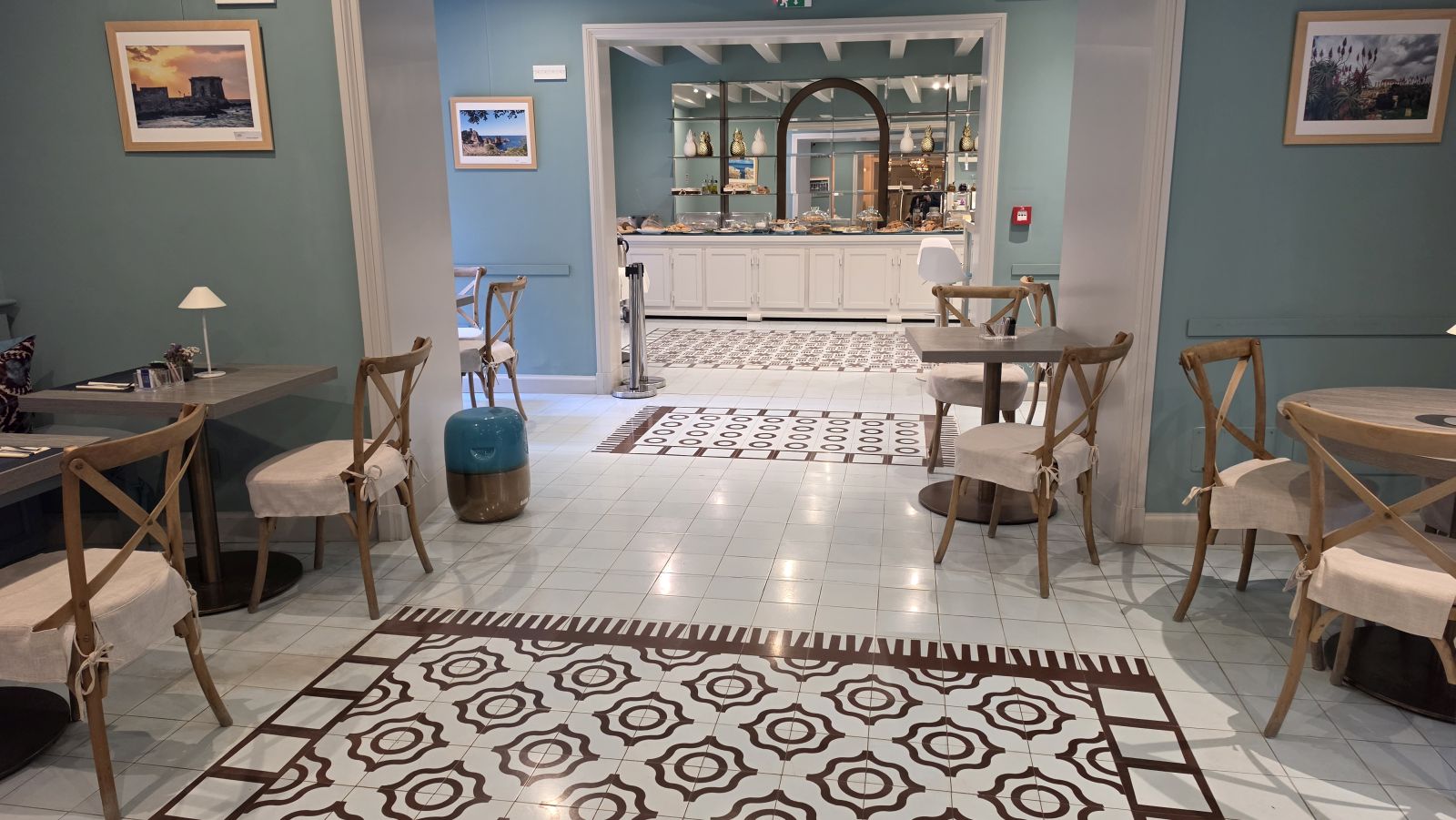
We flew to Palermo a day earlier, took the airport bus directly to Trapani port and walked to our cosy hotel in the historic center.
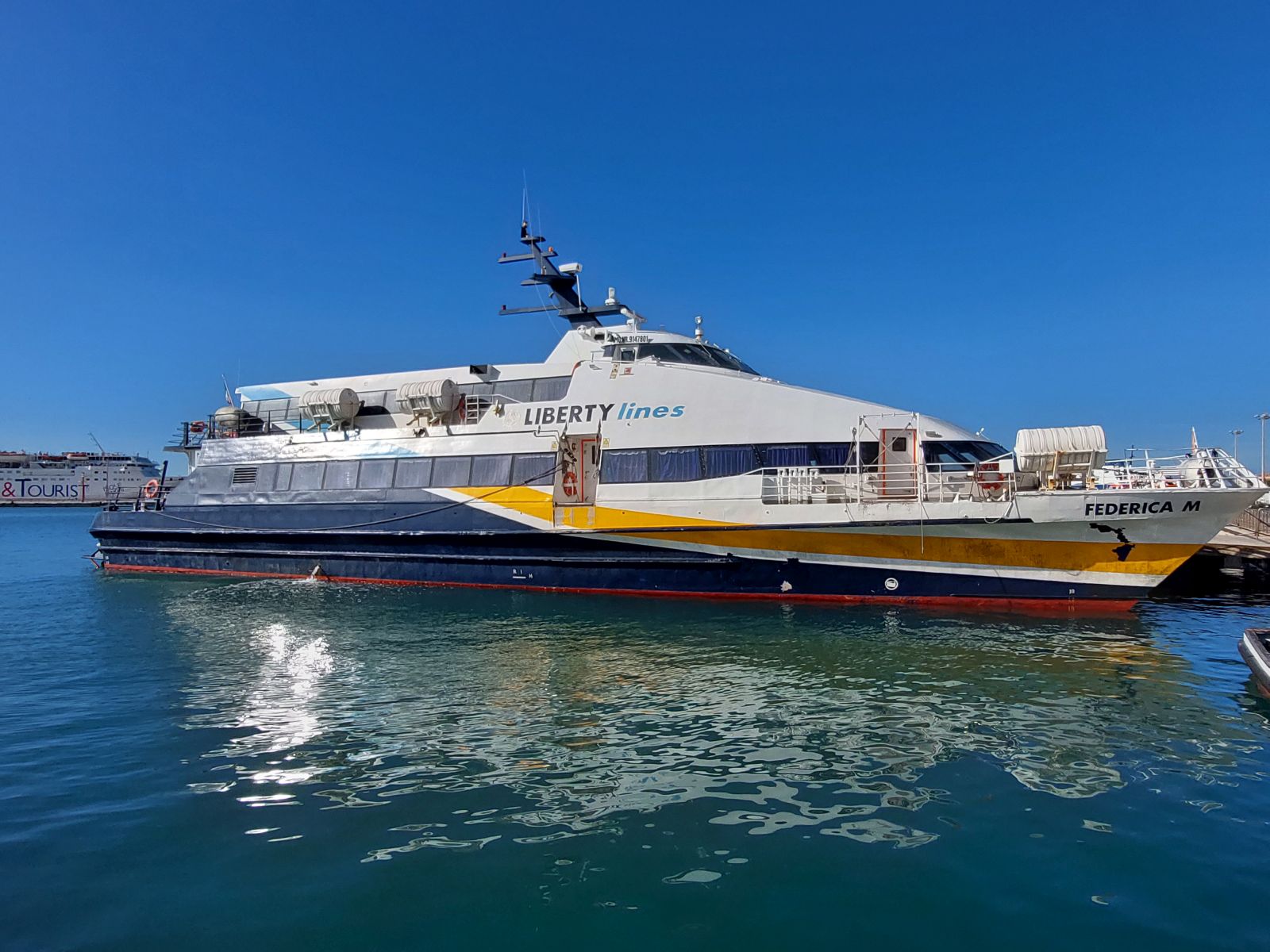
The following morning, we hopped on the ferry, and 30 minutes later we disembarked on my favourite island, Favignana.
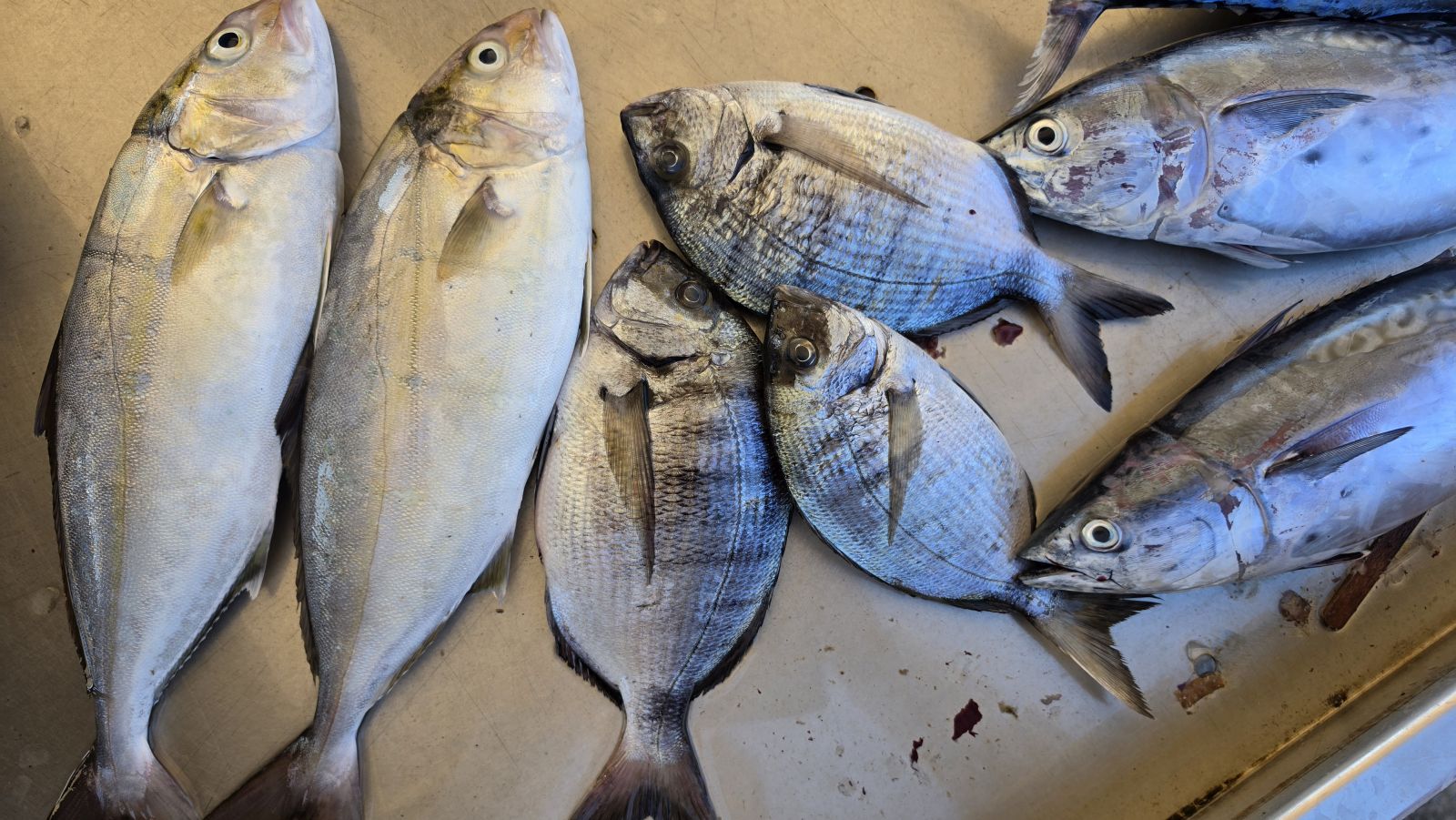
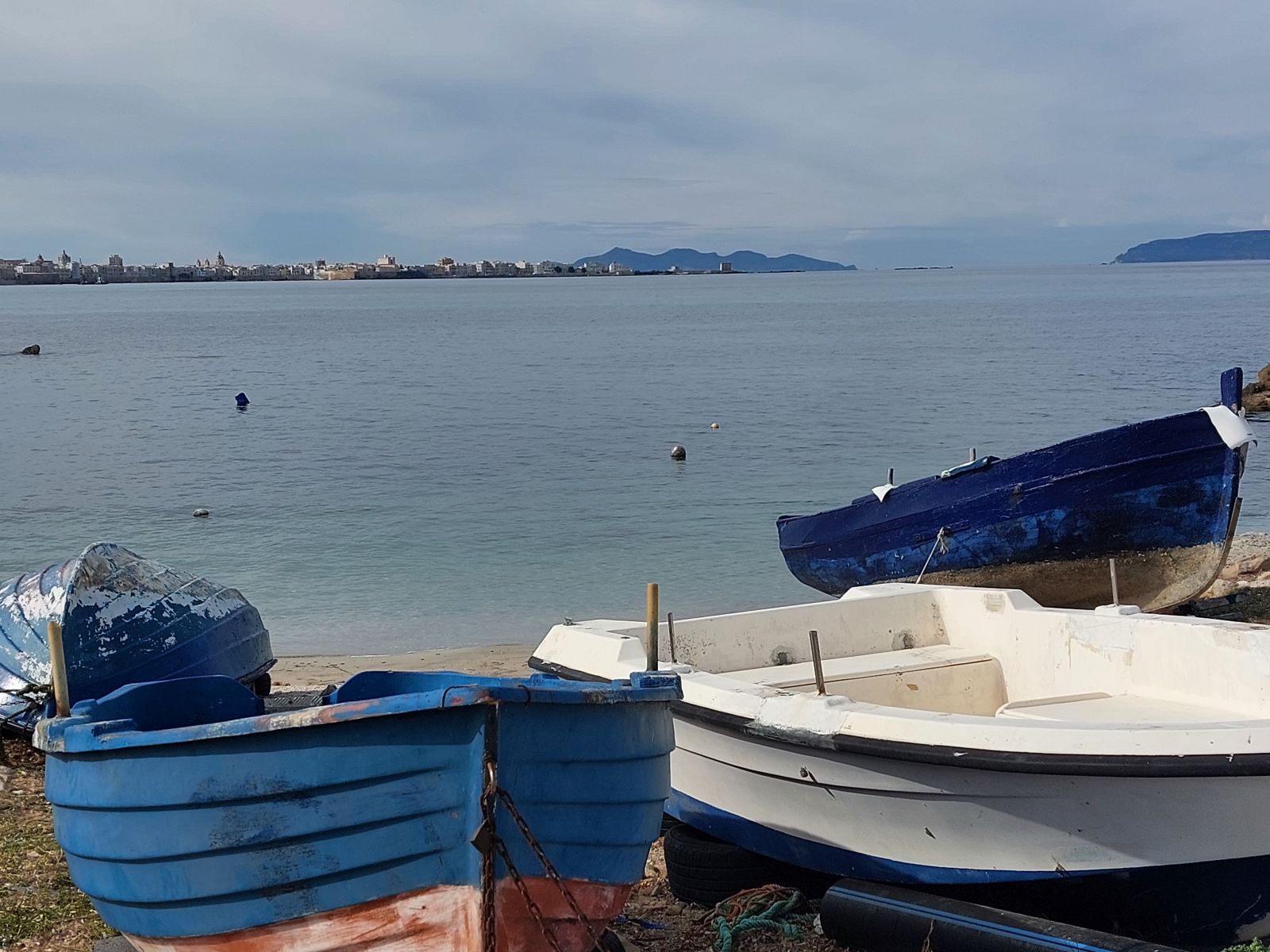
The small port was busy with fishermen selling fresh tuna, cats waiting for some leftovers and blue gozzo boats drying in the sun.
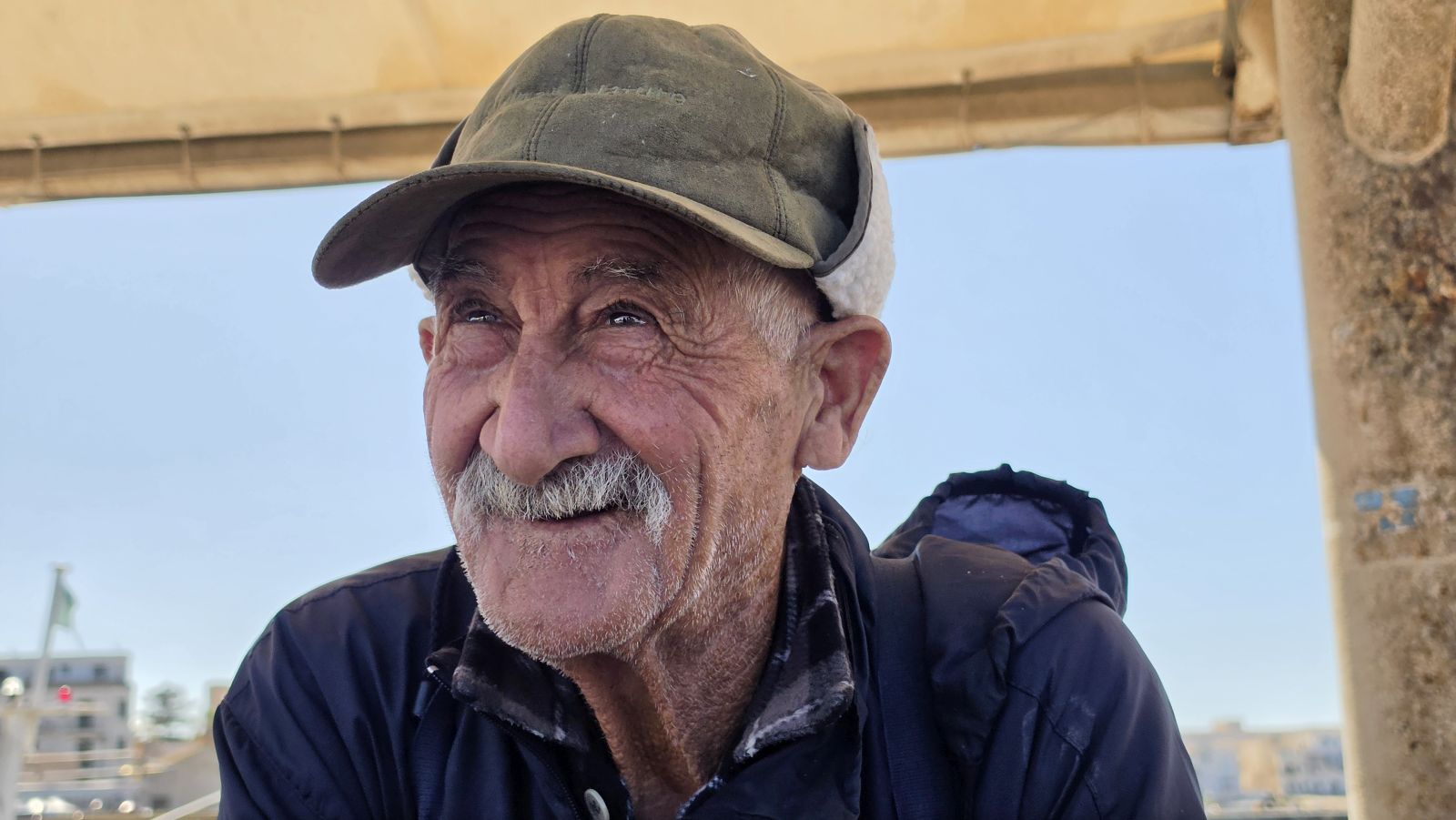
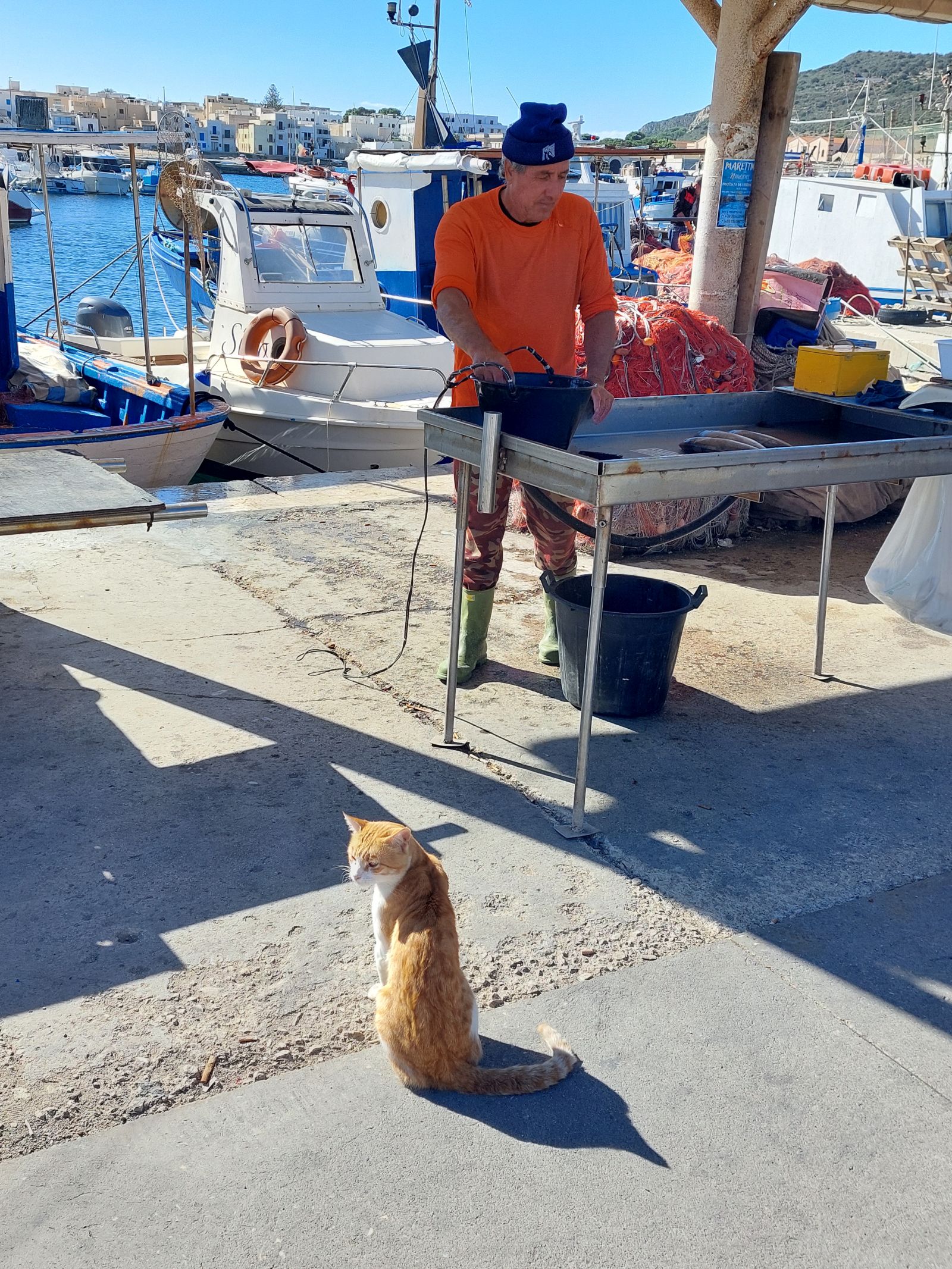
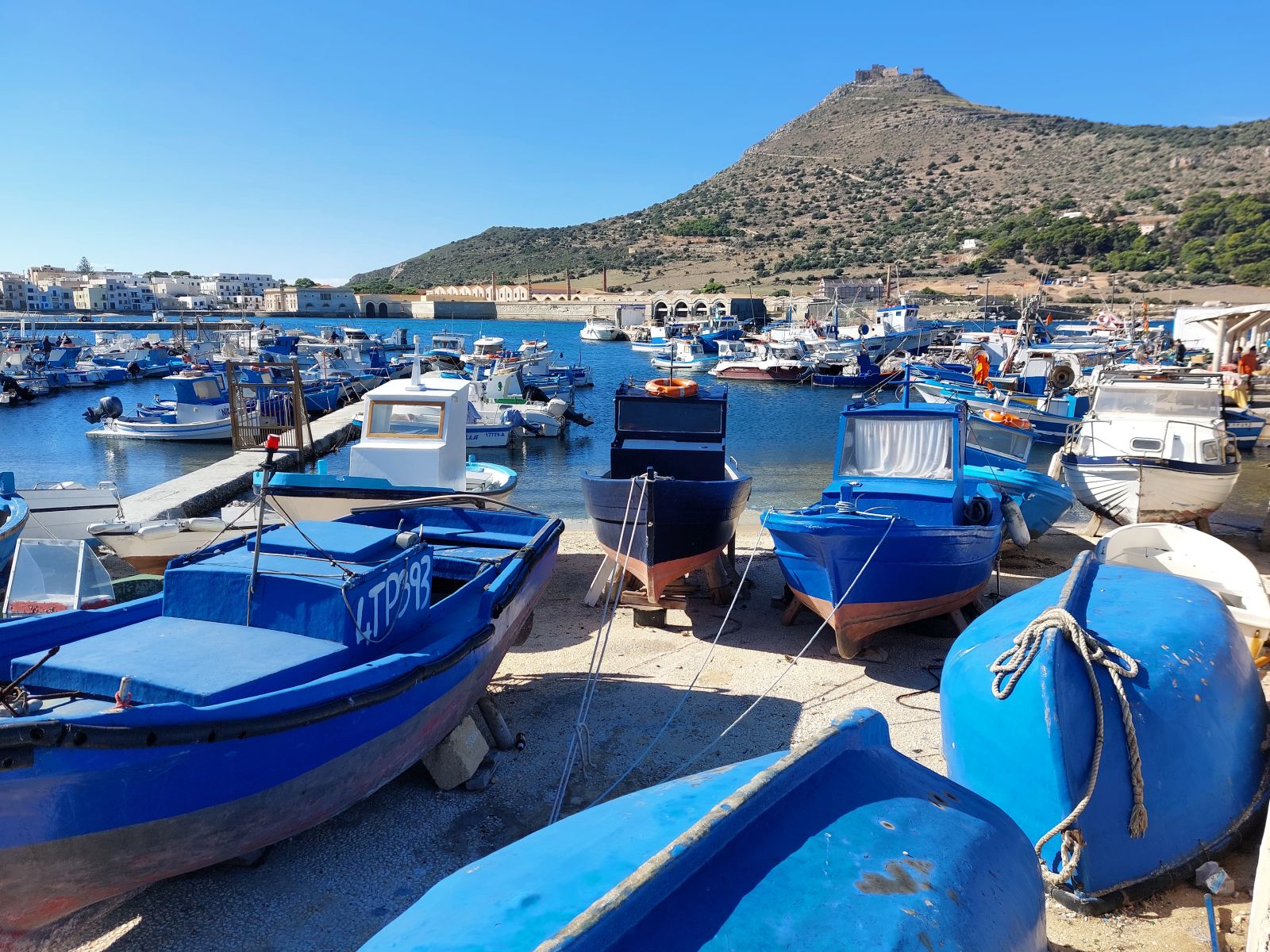
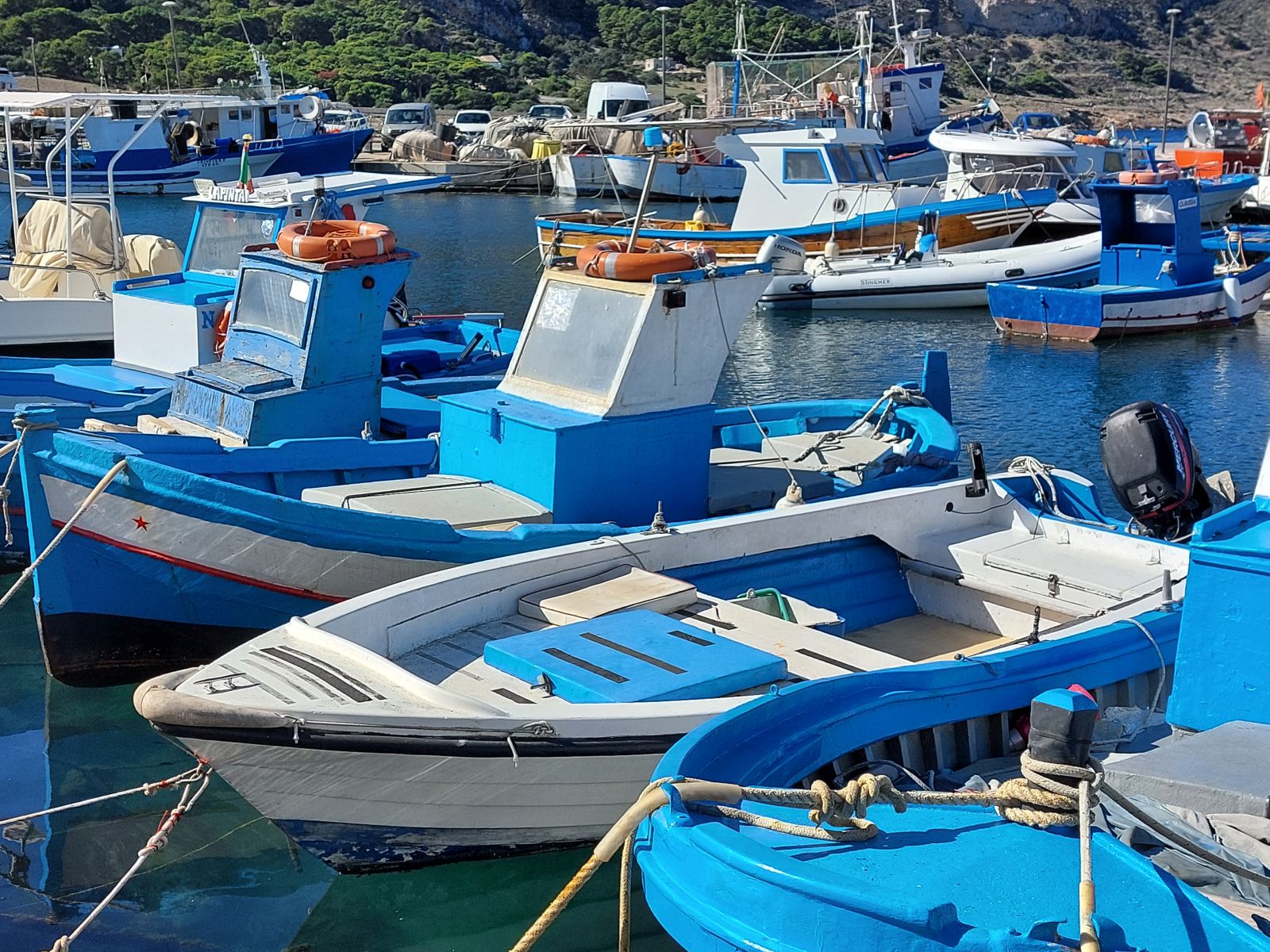
First, we had some work to do, then we stopped by to say hi to Massimiliano, the manager of the apartments where we stay with our groups. He is a real gem. In his office, we also met a man from Milan who was traveling with his teenage daughter. It turned out that he is also crazy about islands, and his favourite one is Lampedusa, which we still need to discover.
We enjoyed lunch on the empty piazza. Massimiliano always says October is the best month here, and I can see why. We truly enjoyed the off-season vibe of Favignana. Beautiful sunshine, warm weather, pleasant sea temperatures and almost nobody around. Only local people, busy closing their restaurants and shops for the season.
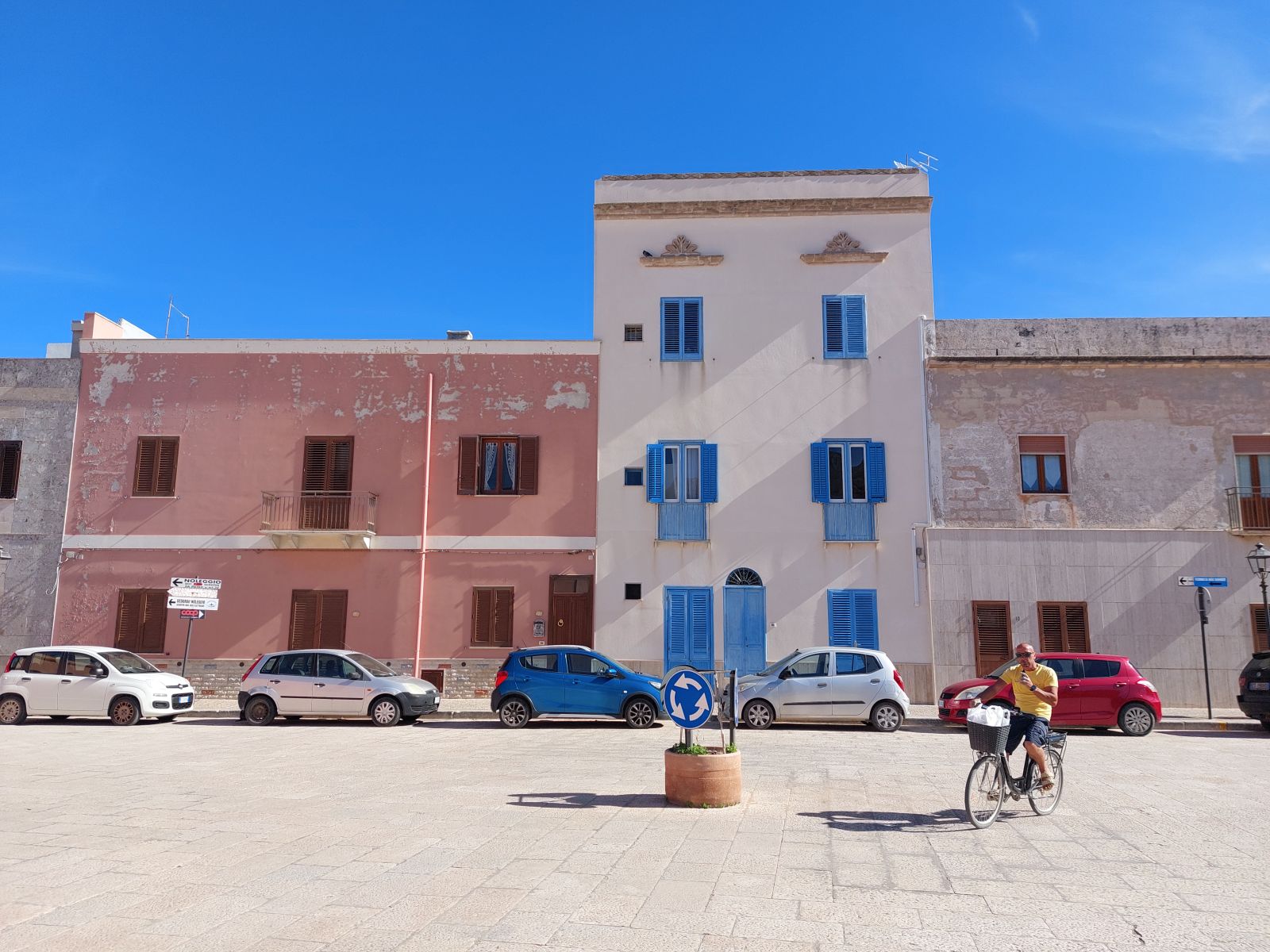
Luckily, the Camparia shop was still open. I can never get tired of its stunning design and the carefully curated items on sale.
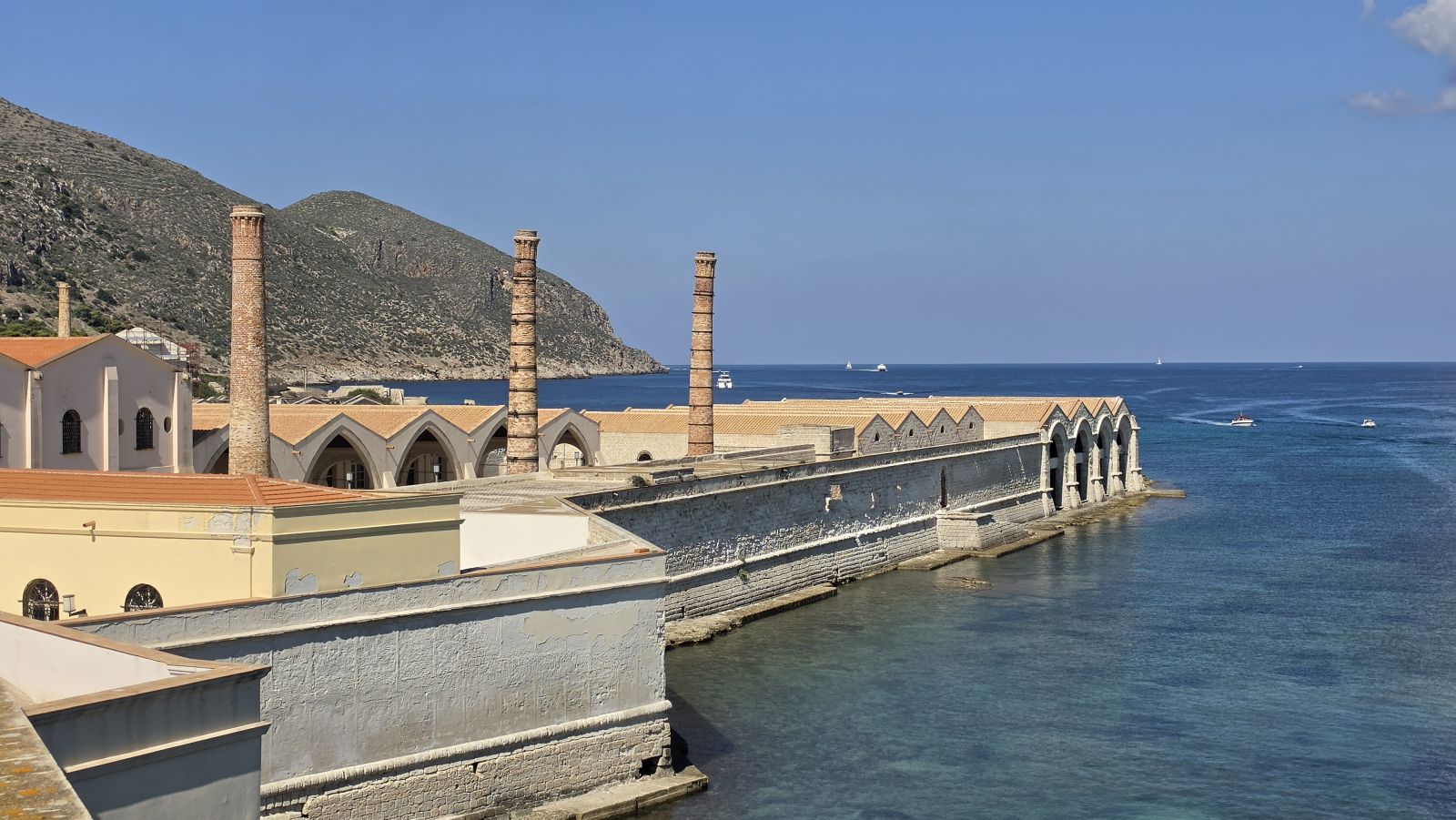
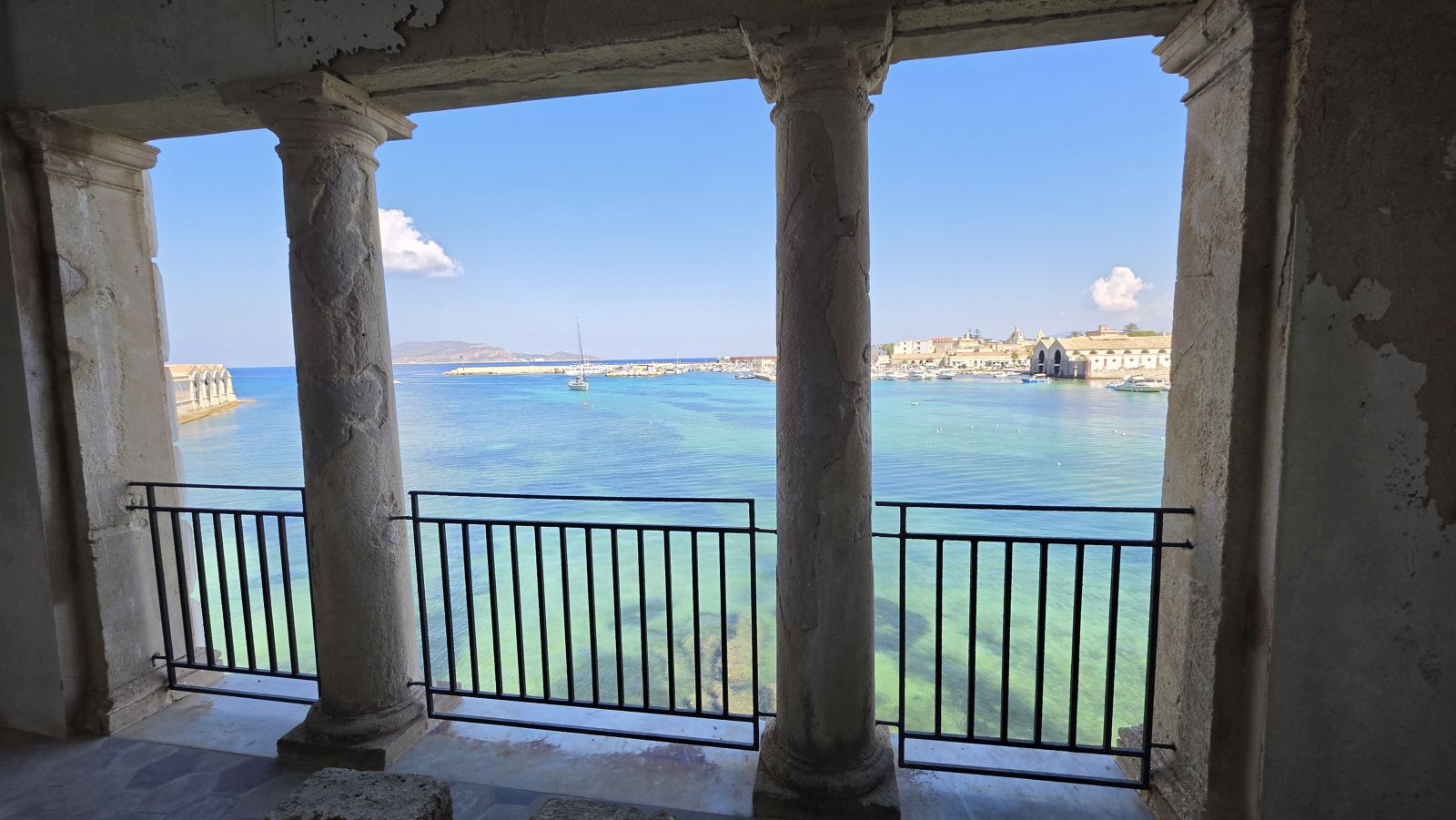
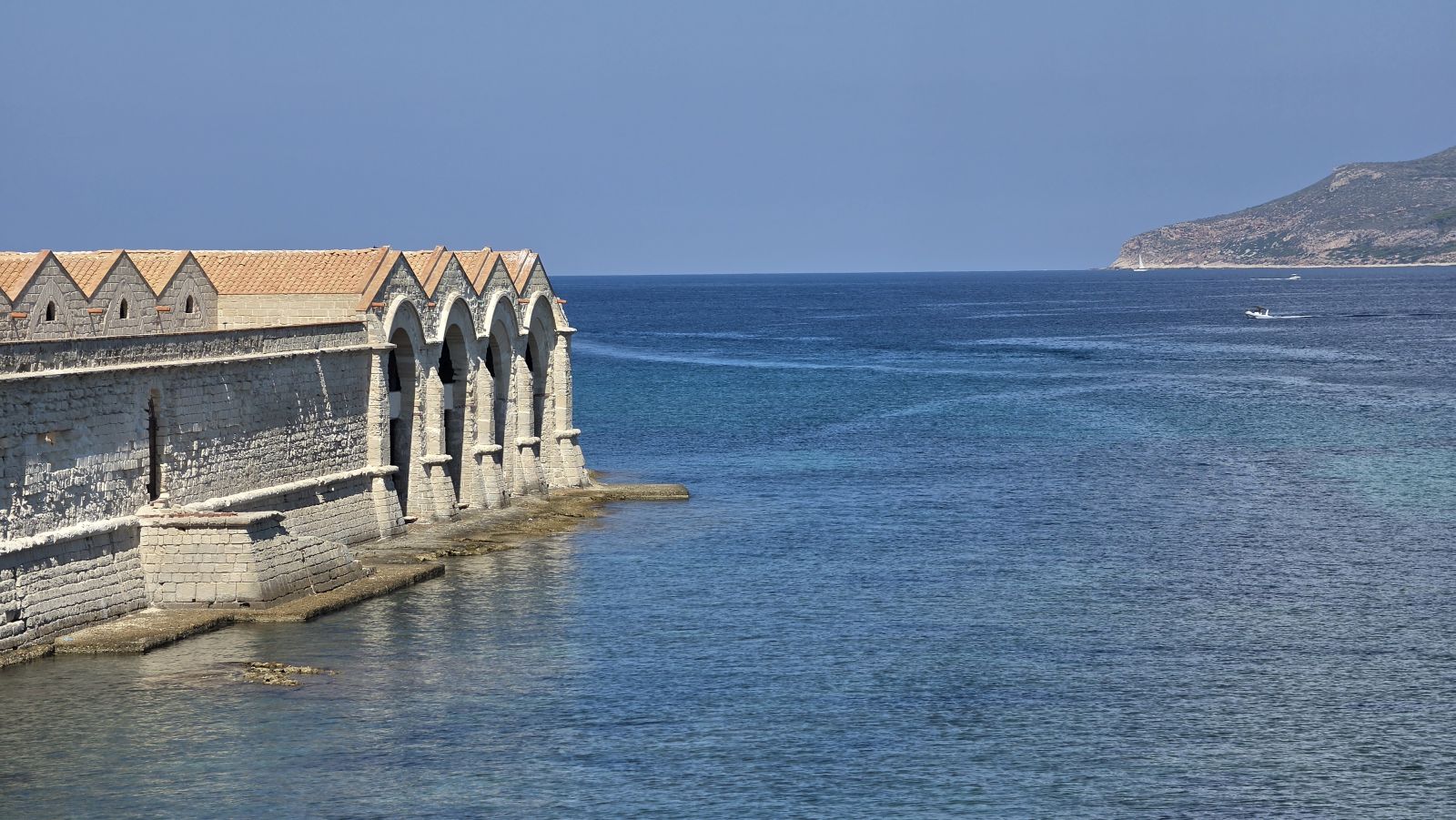
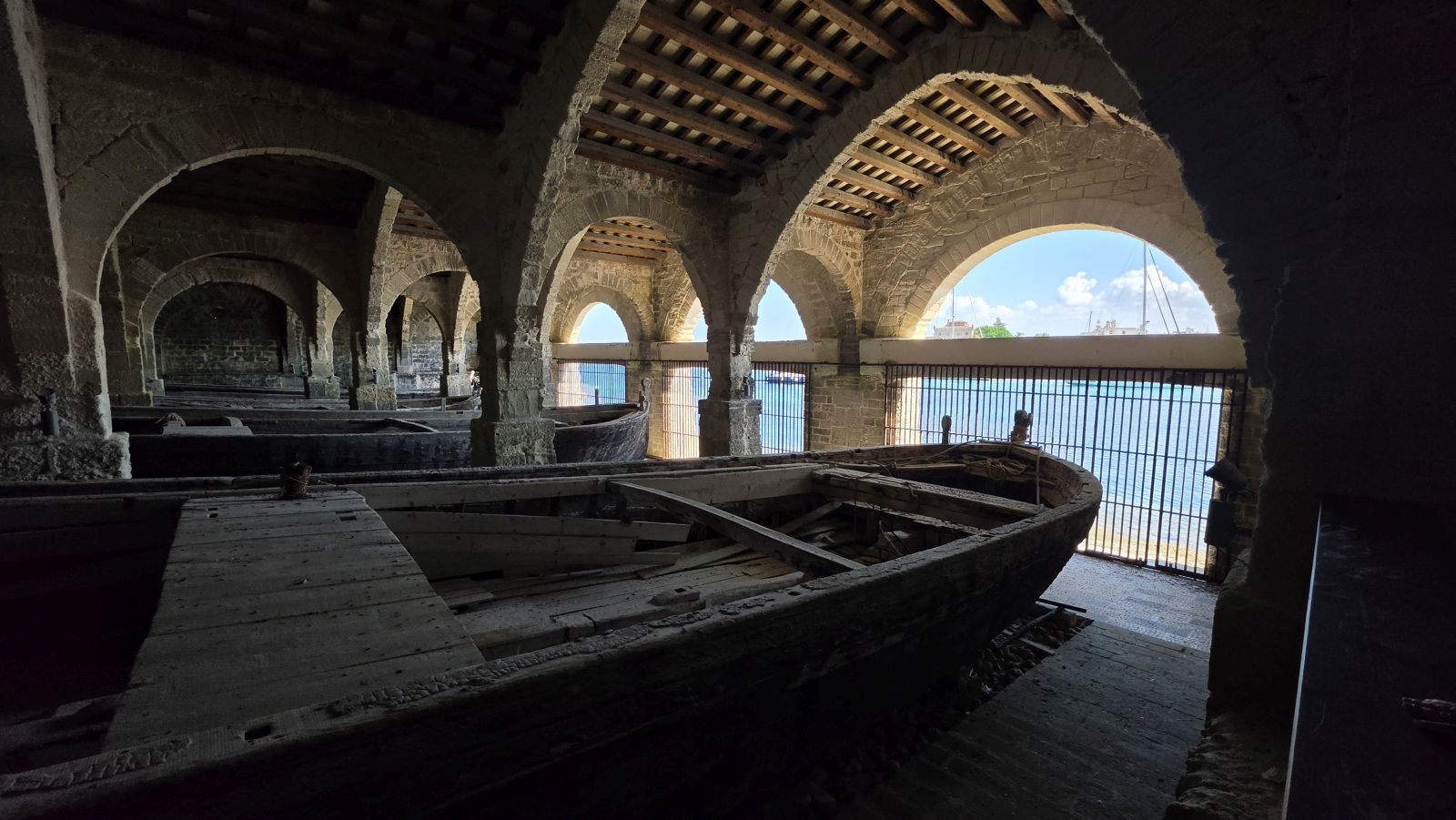
When we were here with our group during the first few days of October, we also visited the Tonnara di Favignana, a museum where you can learn all about tuna fishing and the Florio family. The building is an outstanding example of industrial architecture, probably the most stunning industrial building I have ever seen. The area where the boats used to enter the building and the daily catch was unloaded feels like a Roman cathedral.
Back to Cala Rossa
We rented two e-bikes and headed straight to Cala Rossa. The waves were too strong for swimming, but we had this magical bay all to ourselves.
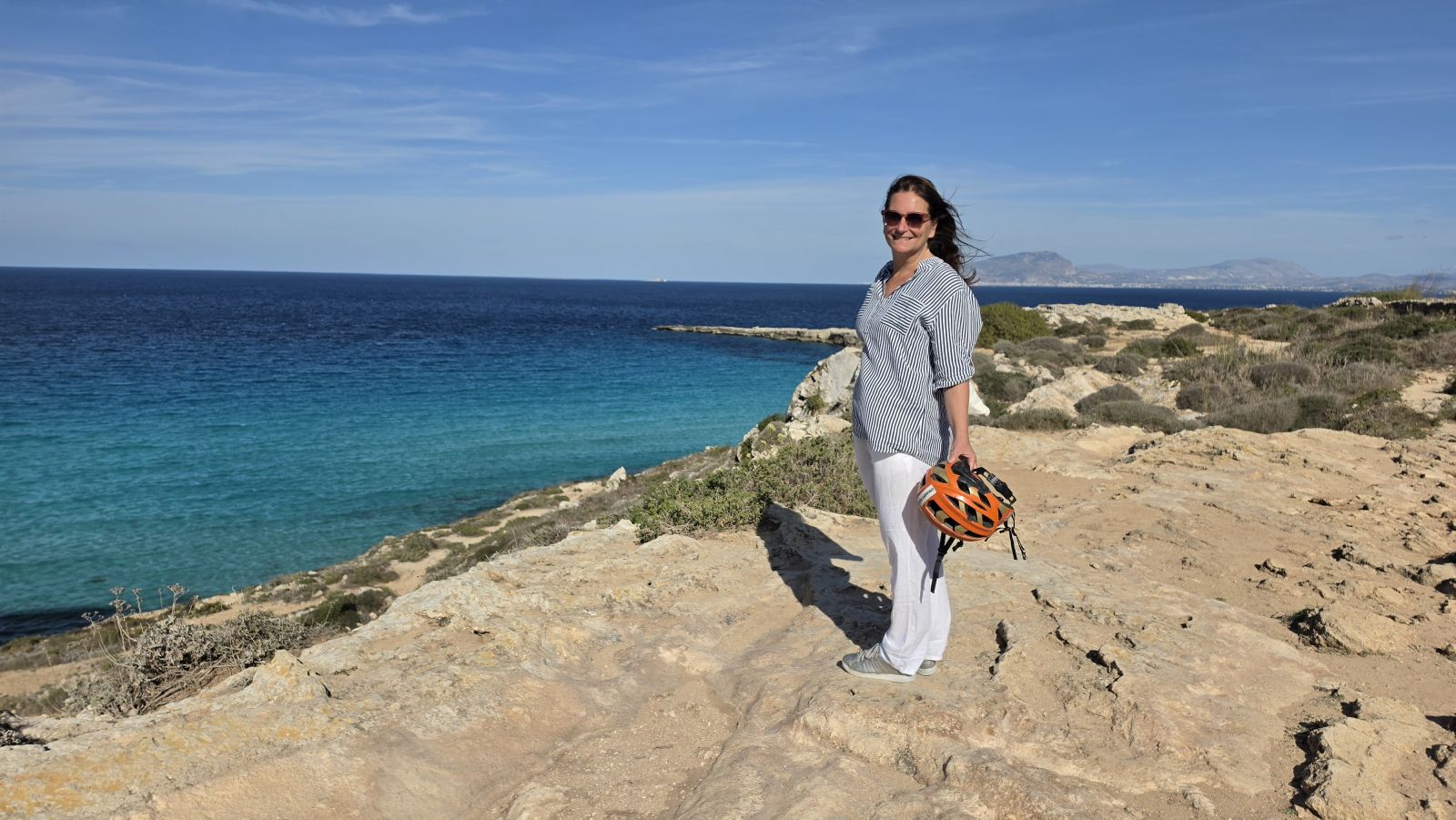
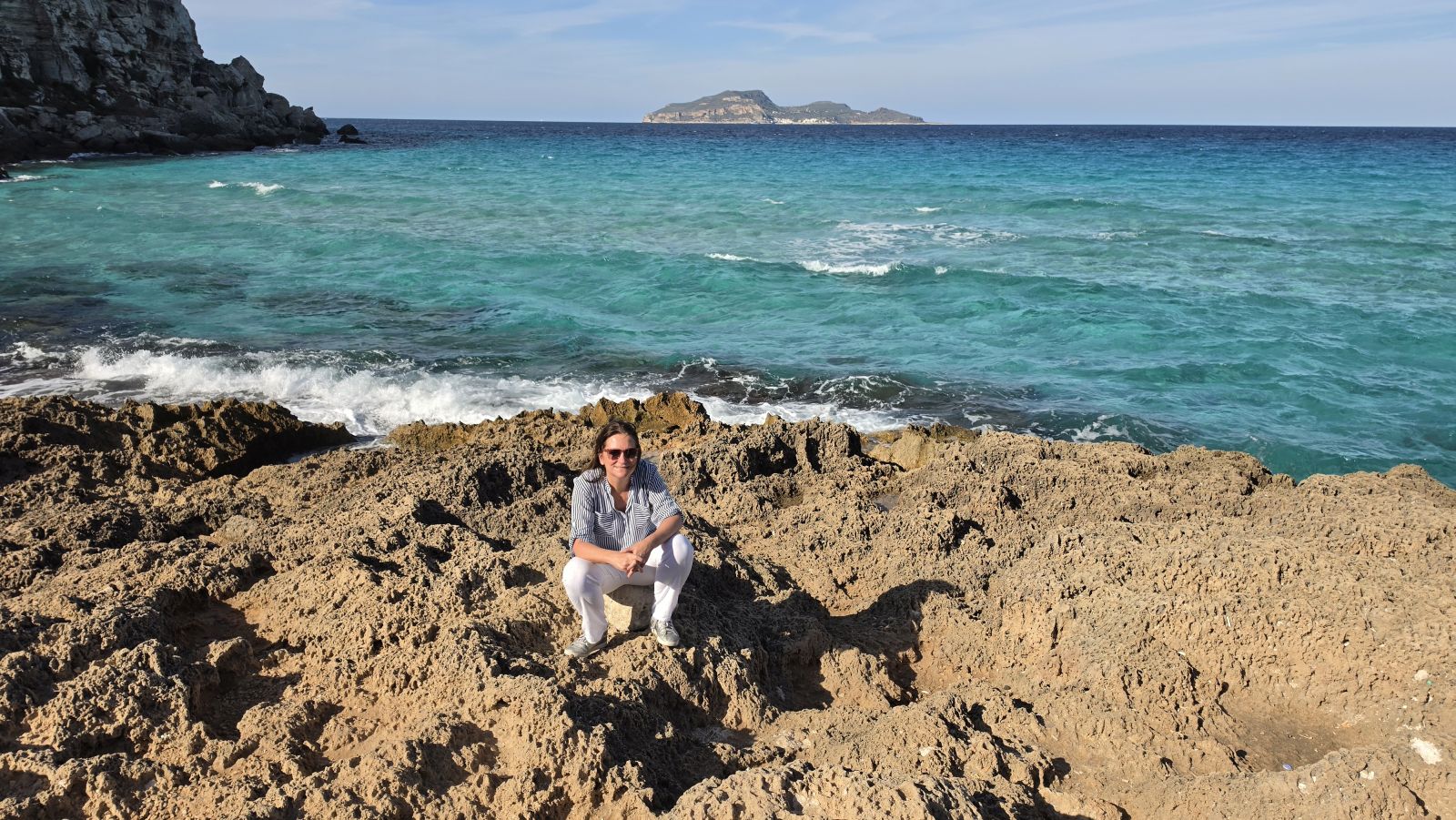
We walked all the way to the other end, discovering the old quarry, caves, and rock formations.
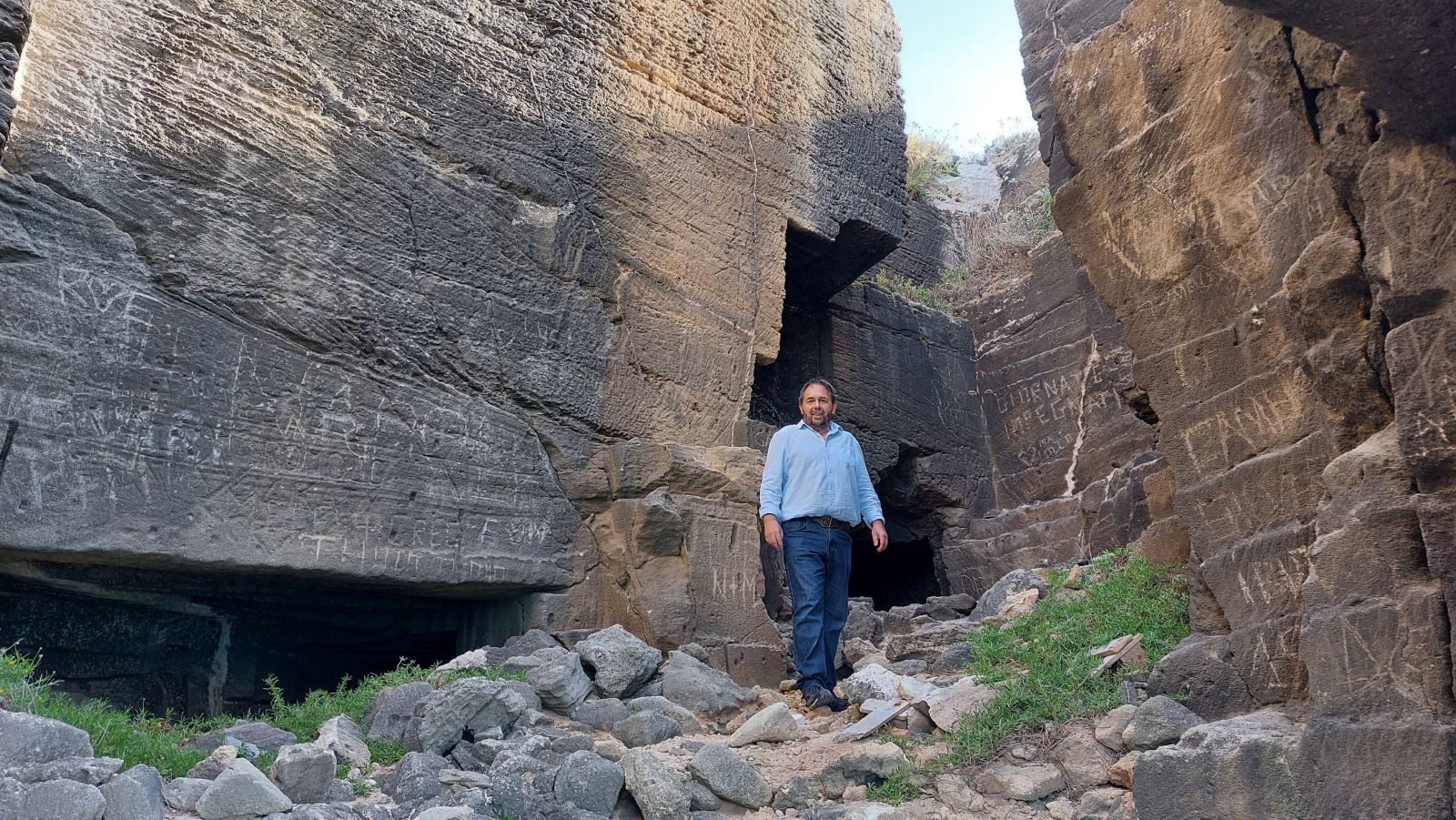
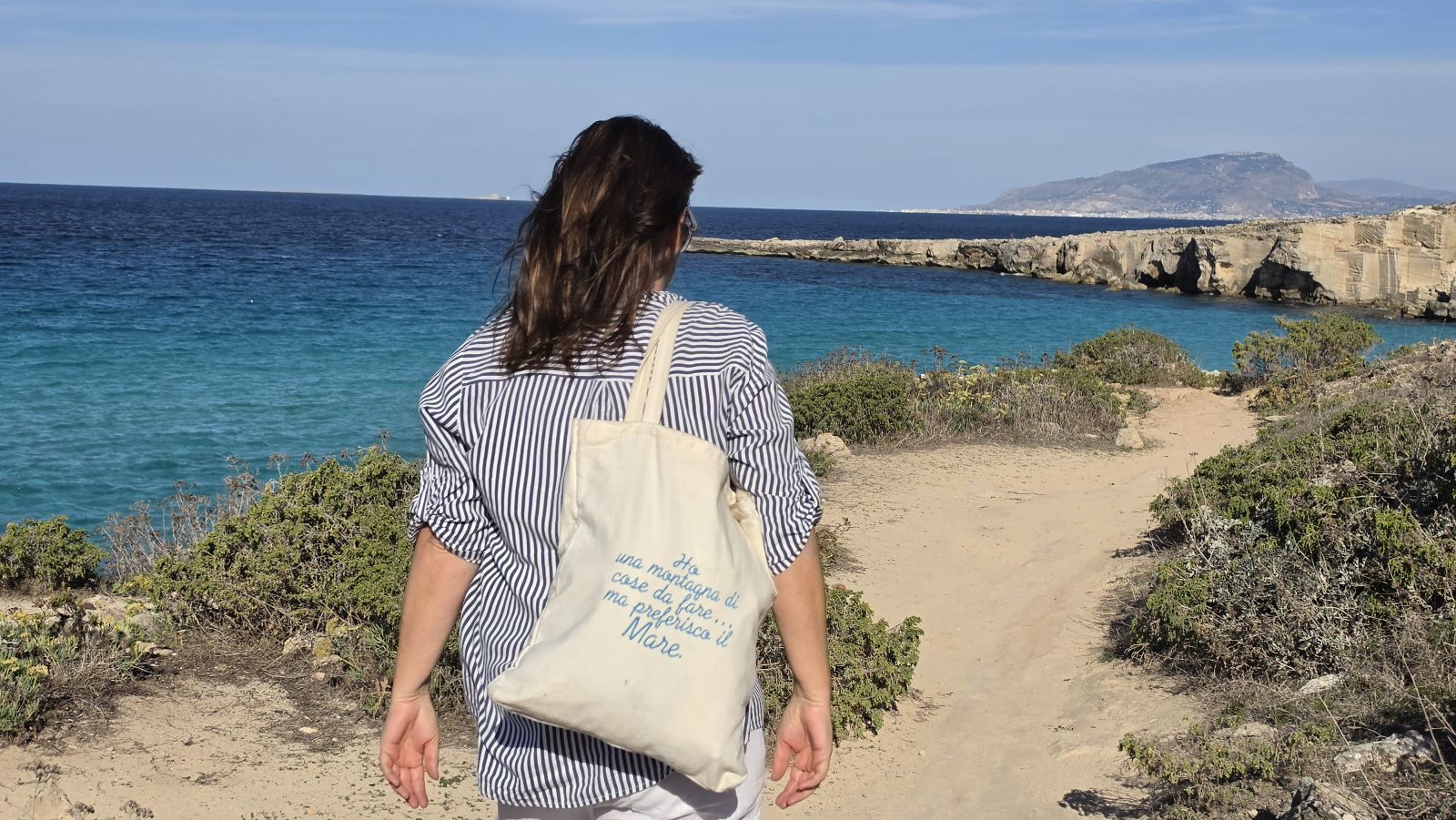
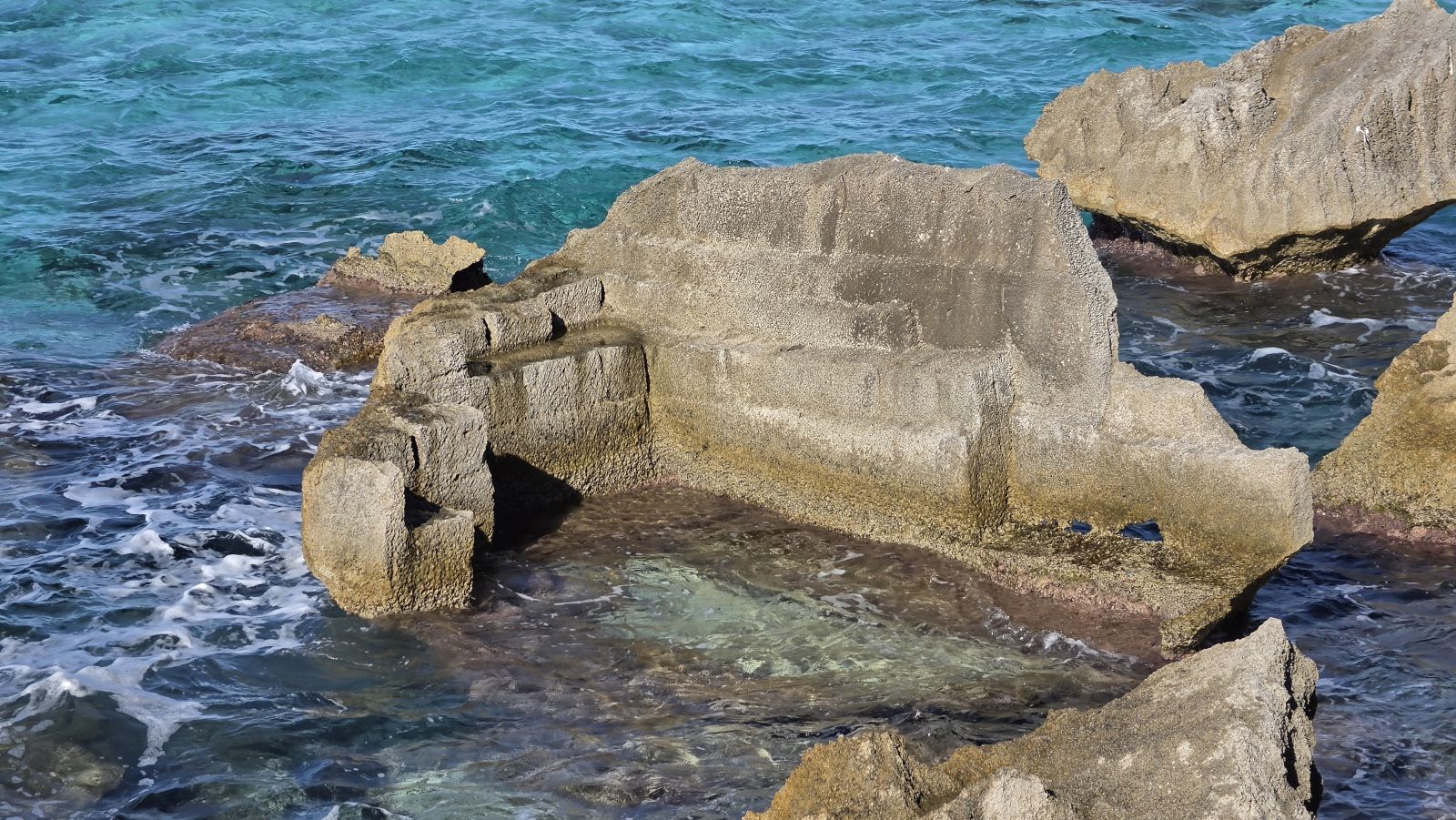
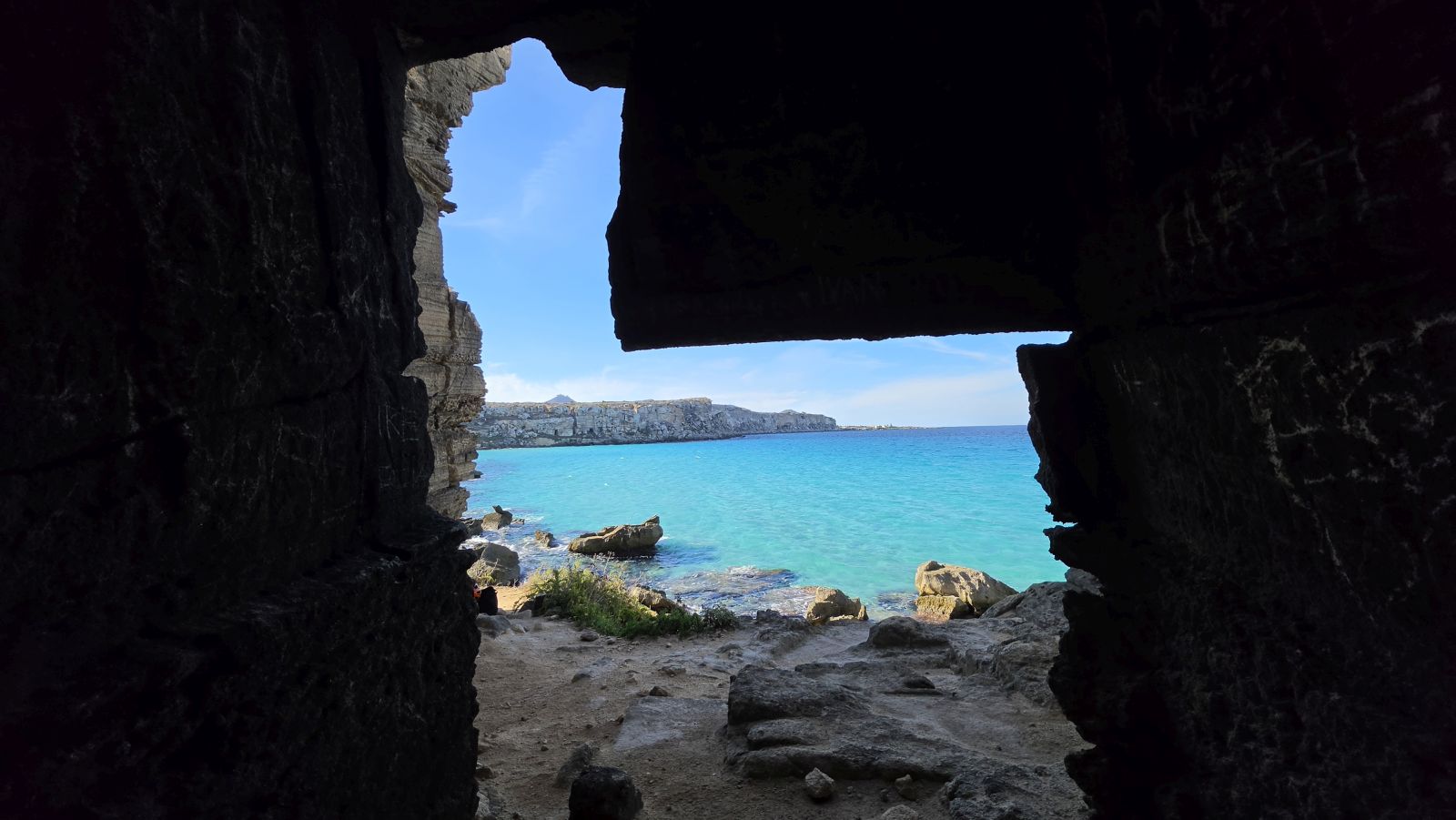
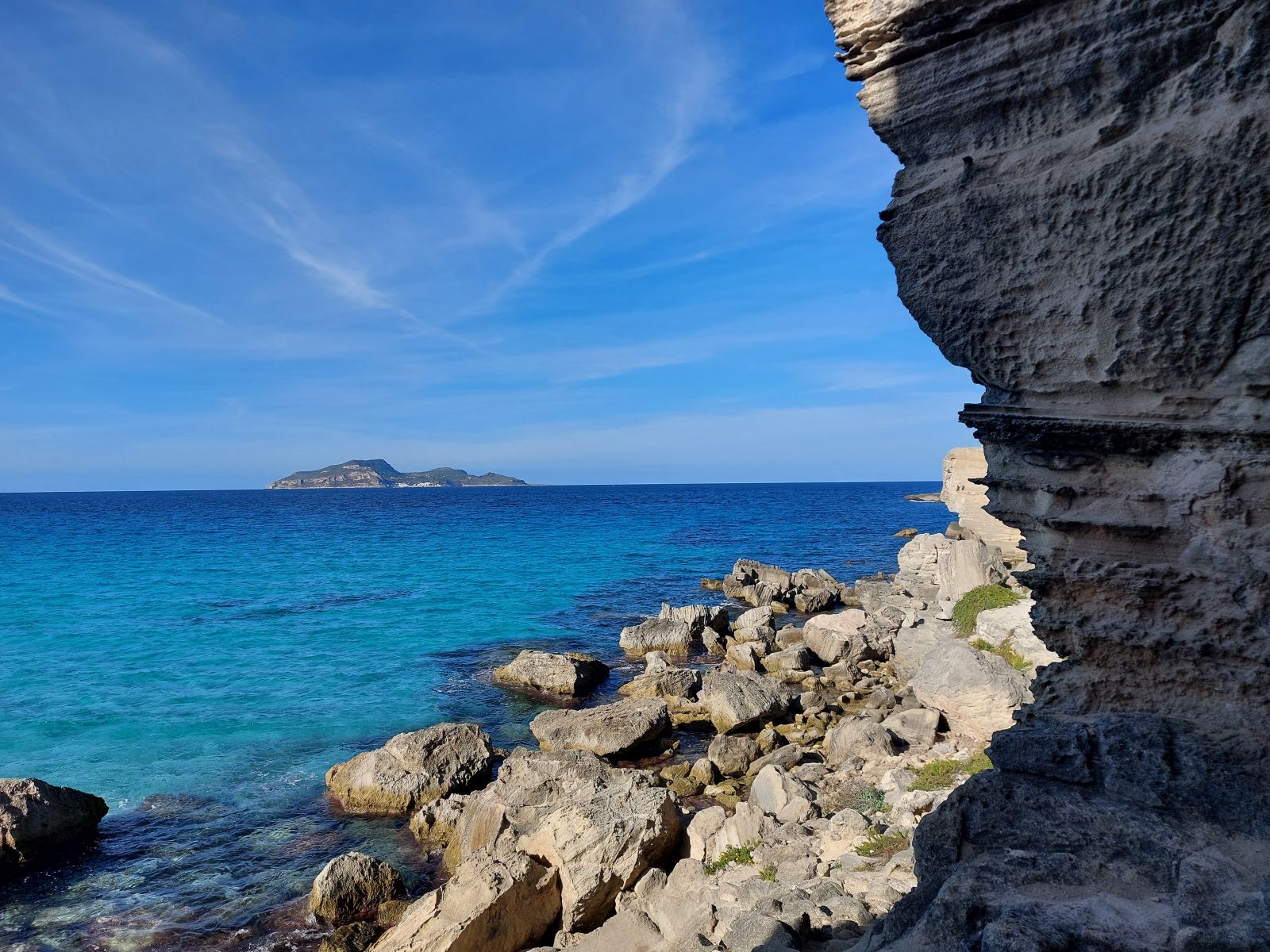
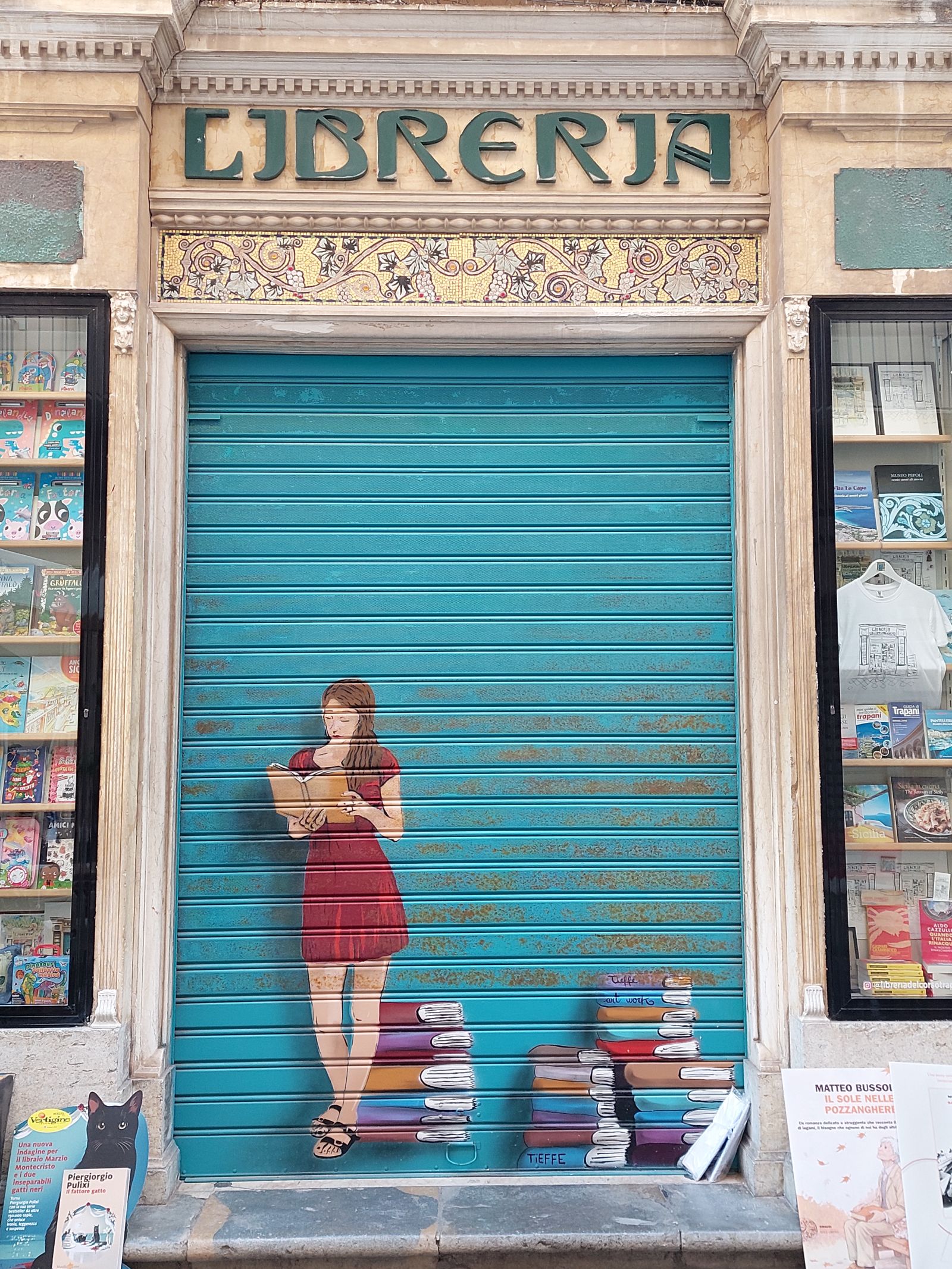
Unfortunately, we only had a few hours to enjoy Favignana, so we took the afternoon ferry back to Trapani. Before heading back to our hotel, we stopped by the Libreria del Corso, a bookstore we always visit. We finally found a great book about Favignana and a smaller guidebook about the Egadi Islands, Pantelleria, and Lampedusa.
An academic aperitivo
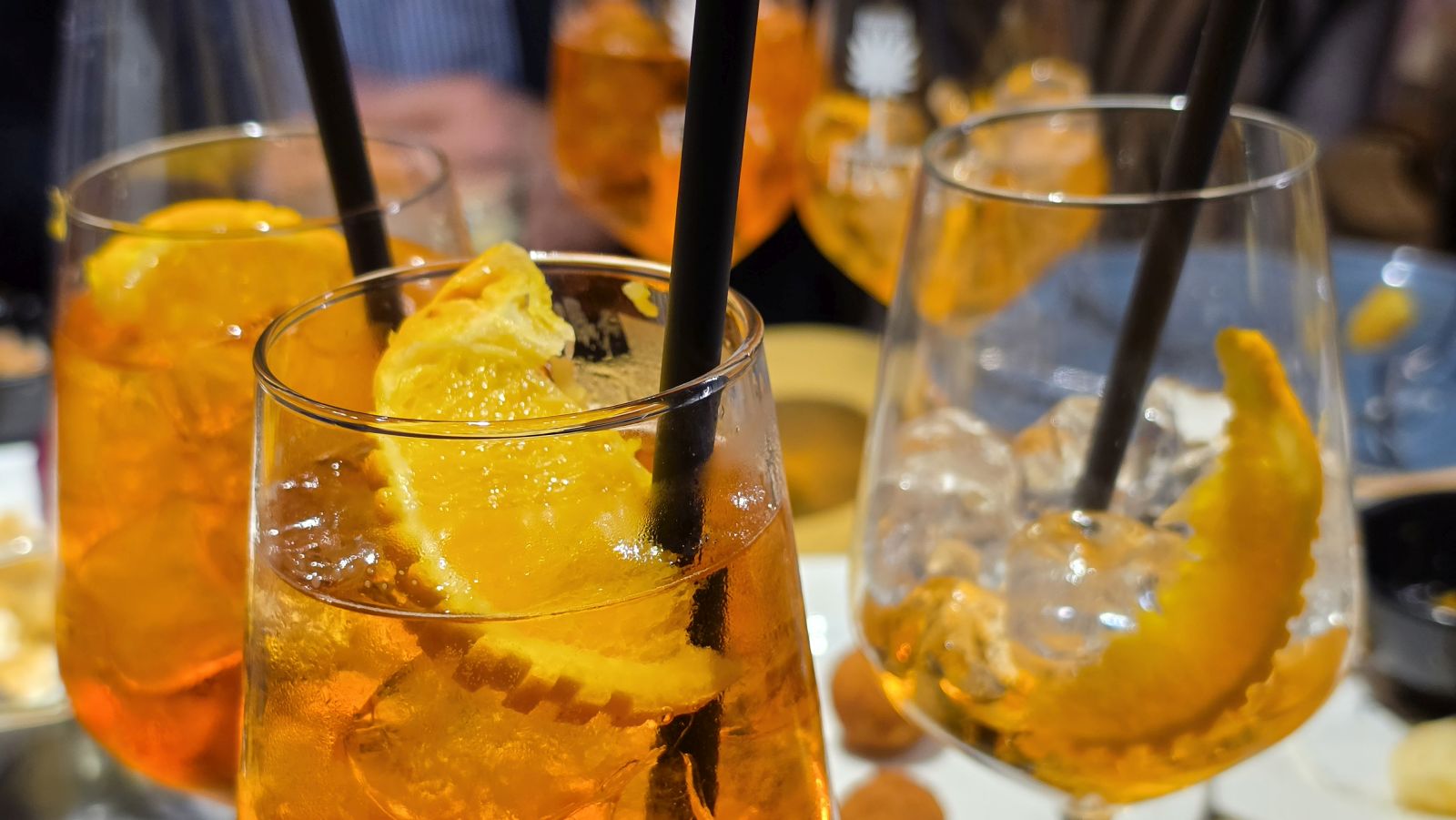
In the evening, it was time to put on our more elegant clothes. The conference program started with a Sicilian aperitivo by the port. Two Aperols and a great selection of Sicilian antipasti later, we found ourselves in the middle of loud and lively conversations, surrounded by professors from universities in Italy, Greece, Malta, the UK, Spain, and France. So many smart, funny, and friendly people. If this is academic life, I want it.
A conference about island tourism
The next day was the longest day of the conference, with many inspiring lectures. It's hard to pick my favorites, but I truly loved the presentation by Richard Butler, Emeritus Professor of Tourism, who was a special guest and keynote speaker and traveled all the way from Canada to Trapani. The professor spoke about the future challenges of tourism, and it was a really thought-provoking and entertaining lecture. I also enjoyed Eleonora Veneri's talk about the challenges of sustainability on small islands and Katrin Dautel's research on literature about islands.
By the way, if you are interested in islands, Blackout Island by Sigríður Hagalín Björnsdóttir, an Icelandic writer, is a must-read.
Our presentation about Arctic islands
Anyway, back to the conference. Our presentation followed in the late afternoon. We split the tasks between us, so Attila did the writing and I did the talking. Just as we had expected, these islands above the Arctic Circle seemed to be an interesting topic for the audience, and we also received many great questions. At the end, even Professor Butler came up to me and said he had really enjoyed my presentation. It was very meaningful feedback, and it really warmed my heart, especially since it was the first conference presentation of my life. Well, maybe not the last one.
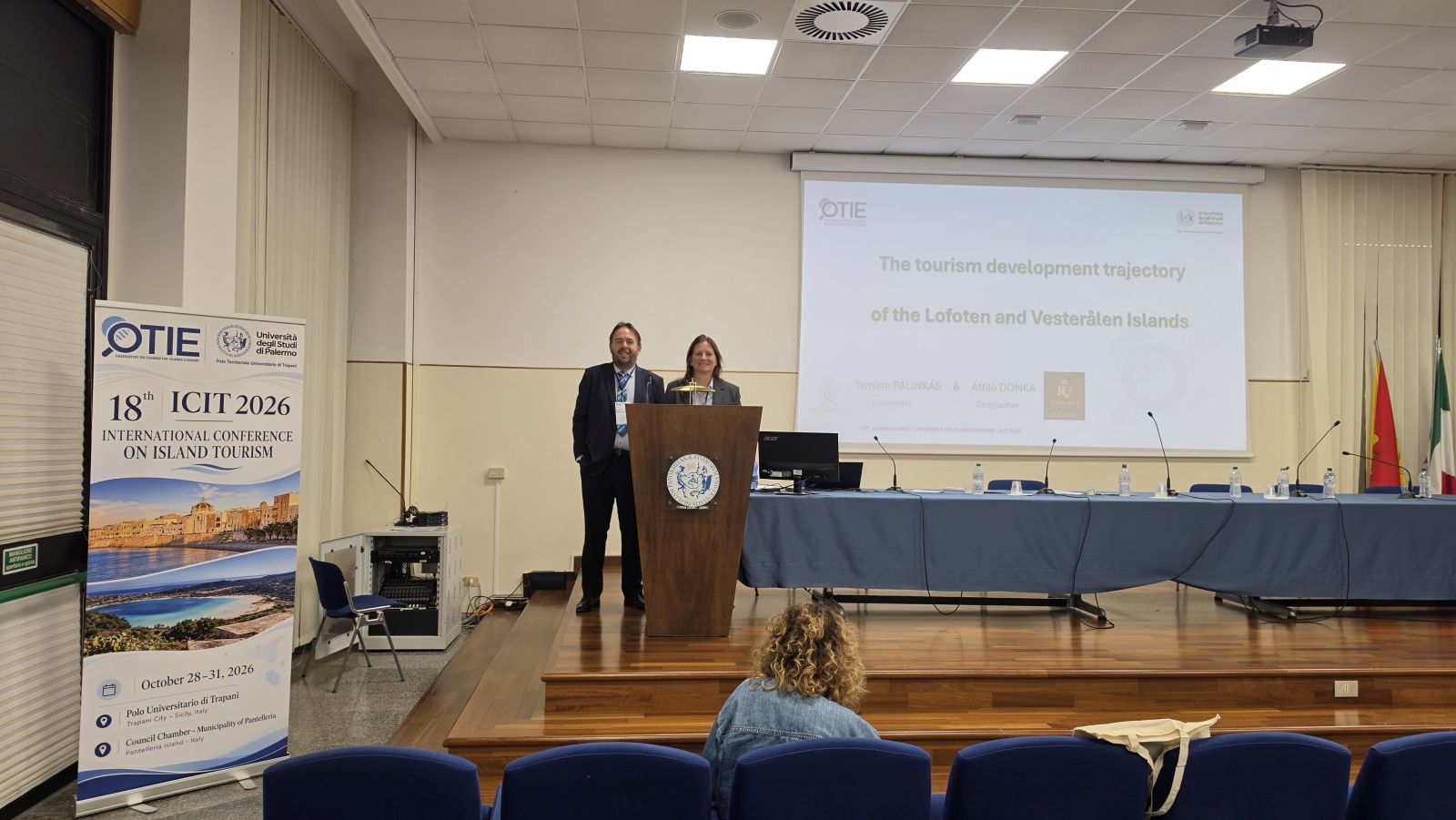
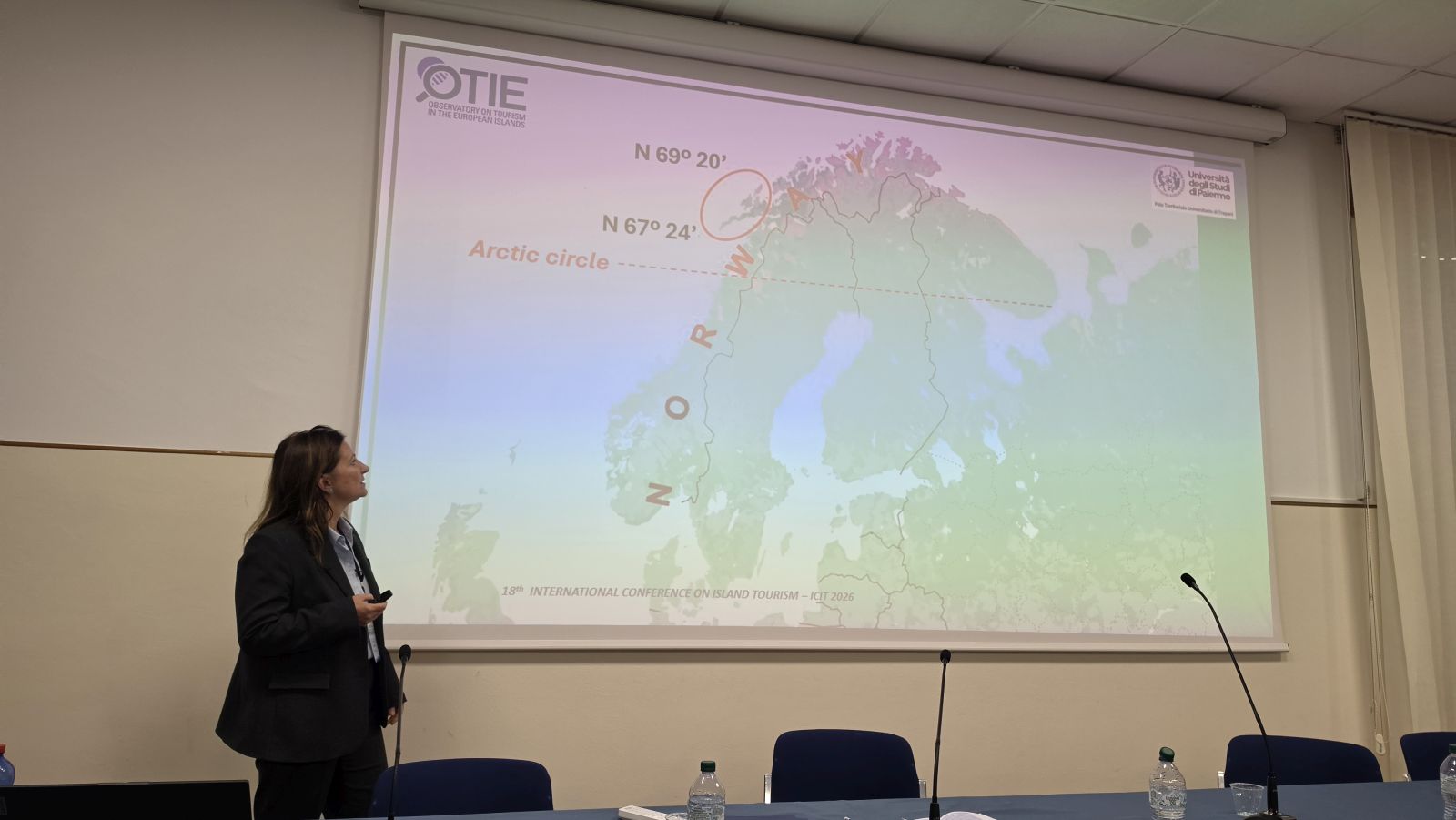
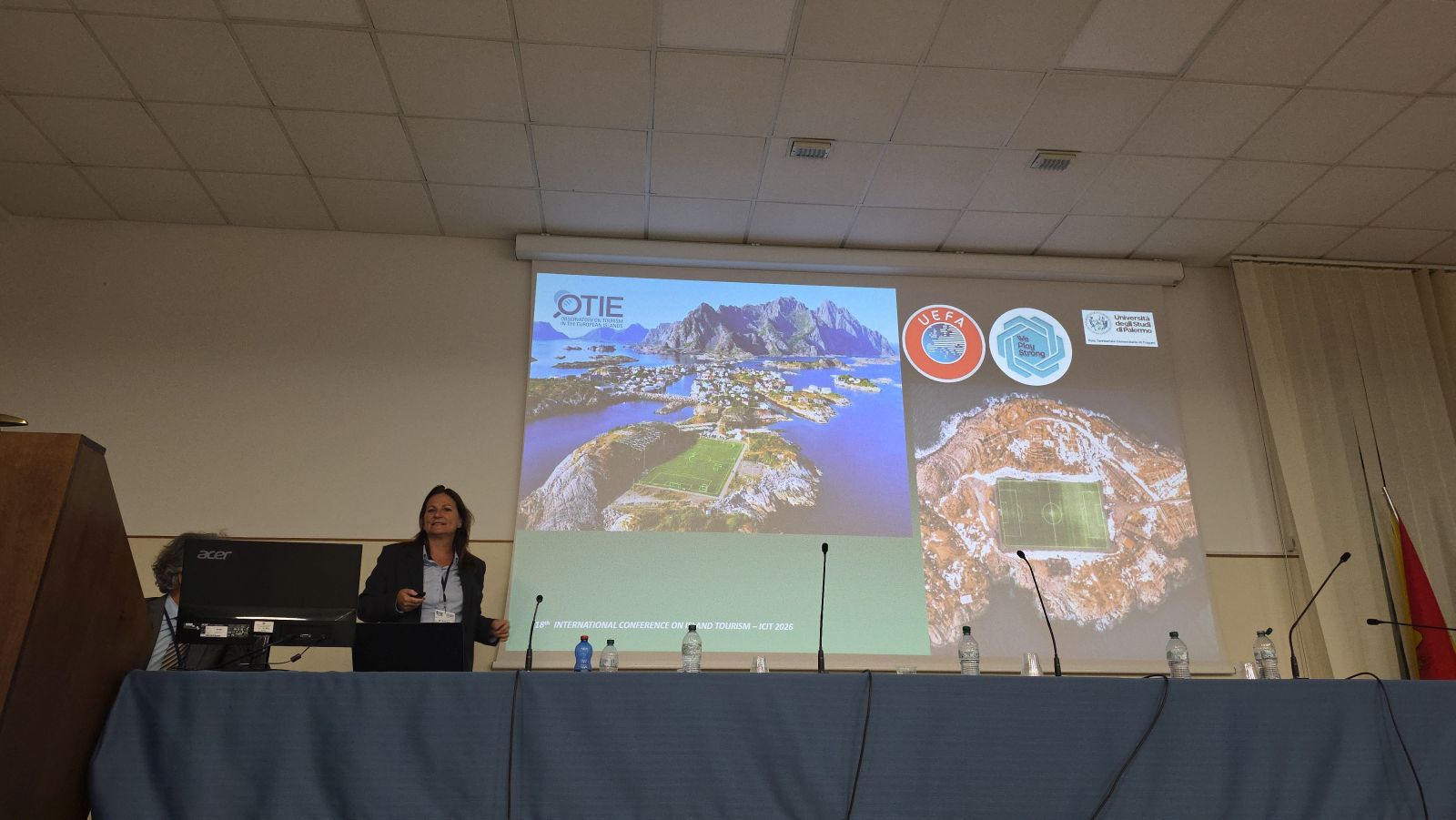
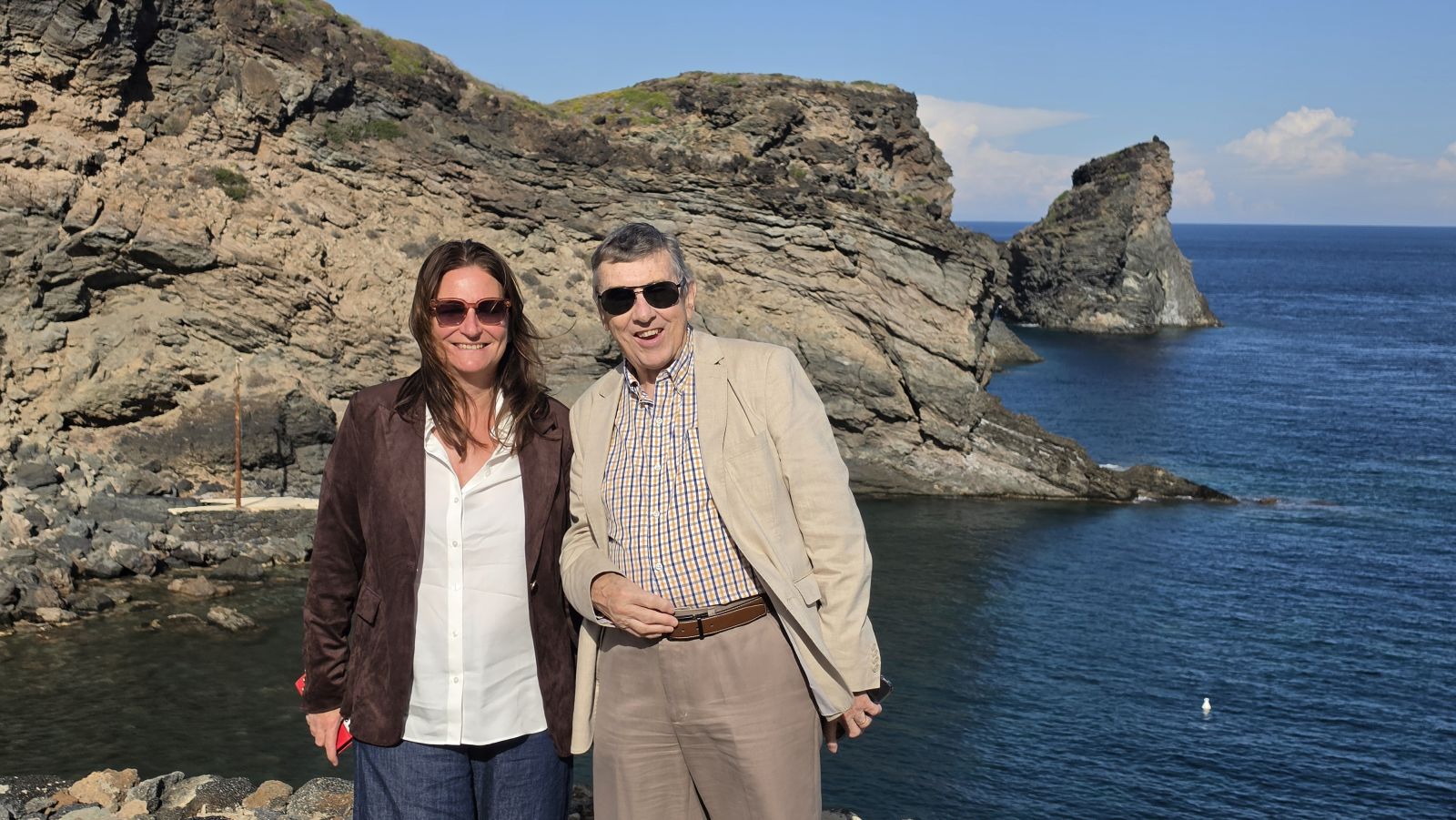
Now we have to work more on our research and write the article by December. But I already have an idea for another research topic for next year's conference, which I hope we'll be able to attend. It will be about Italian minor islands, but at this moment, I cannot share more.
The area around the University of Trapani
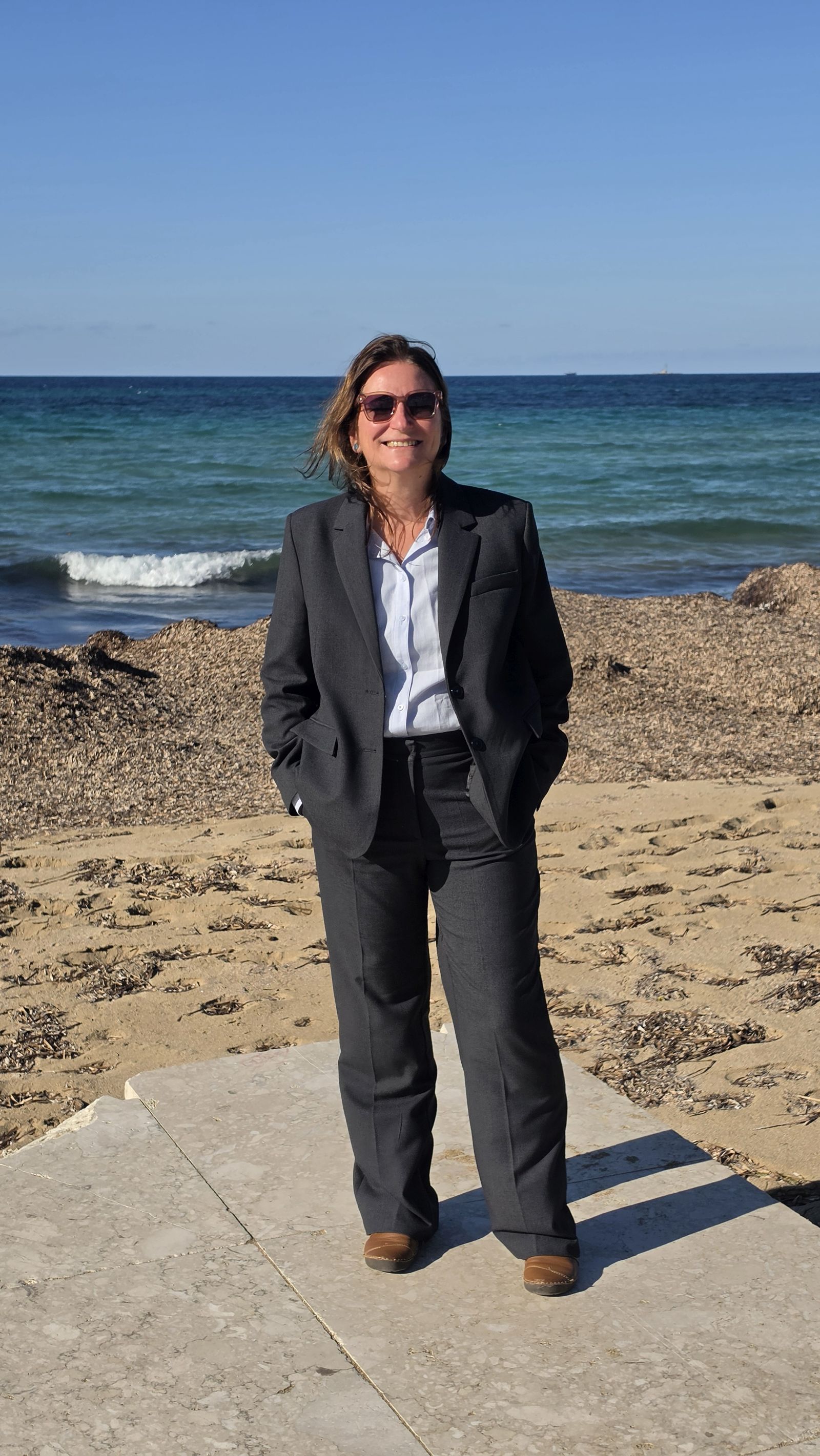
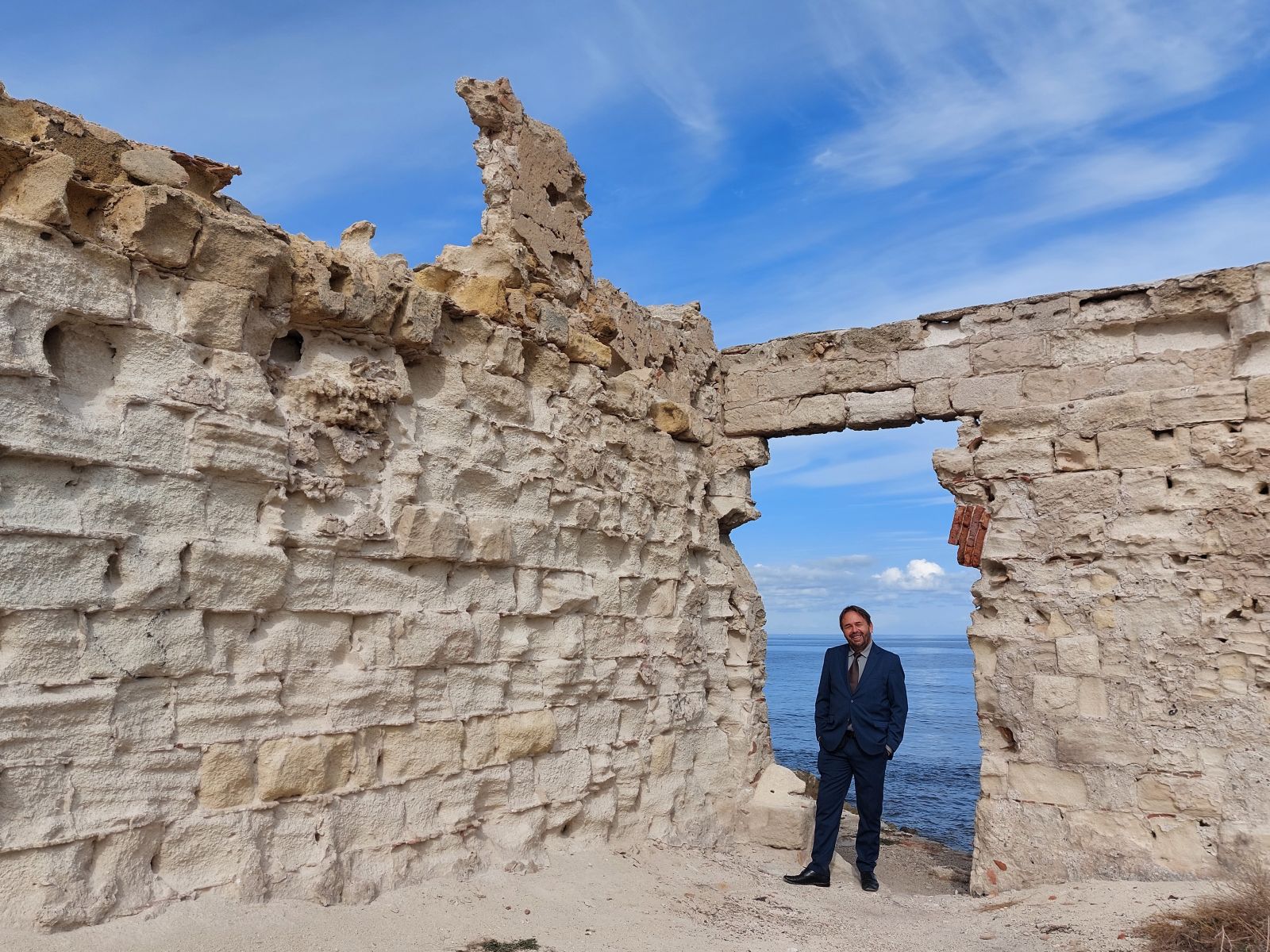
It was also the first time I had stood on a beach wearing a gray suit, instead of my usual pair of jeans or colorful linen trousers. We used the coffee break to enjoy some sunshine and sea breeze at Spiaggia di San Giuliano, right in front of the University of Trapani.
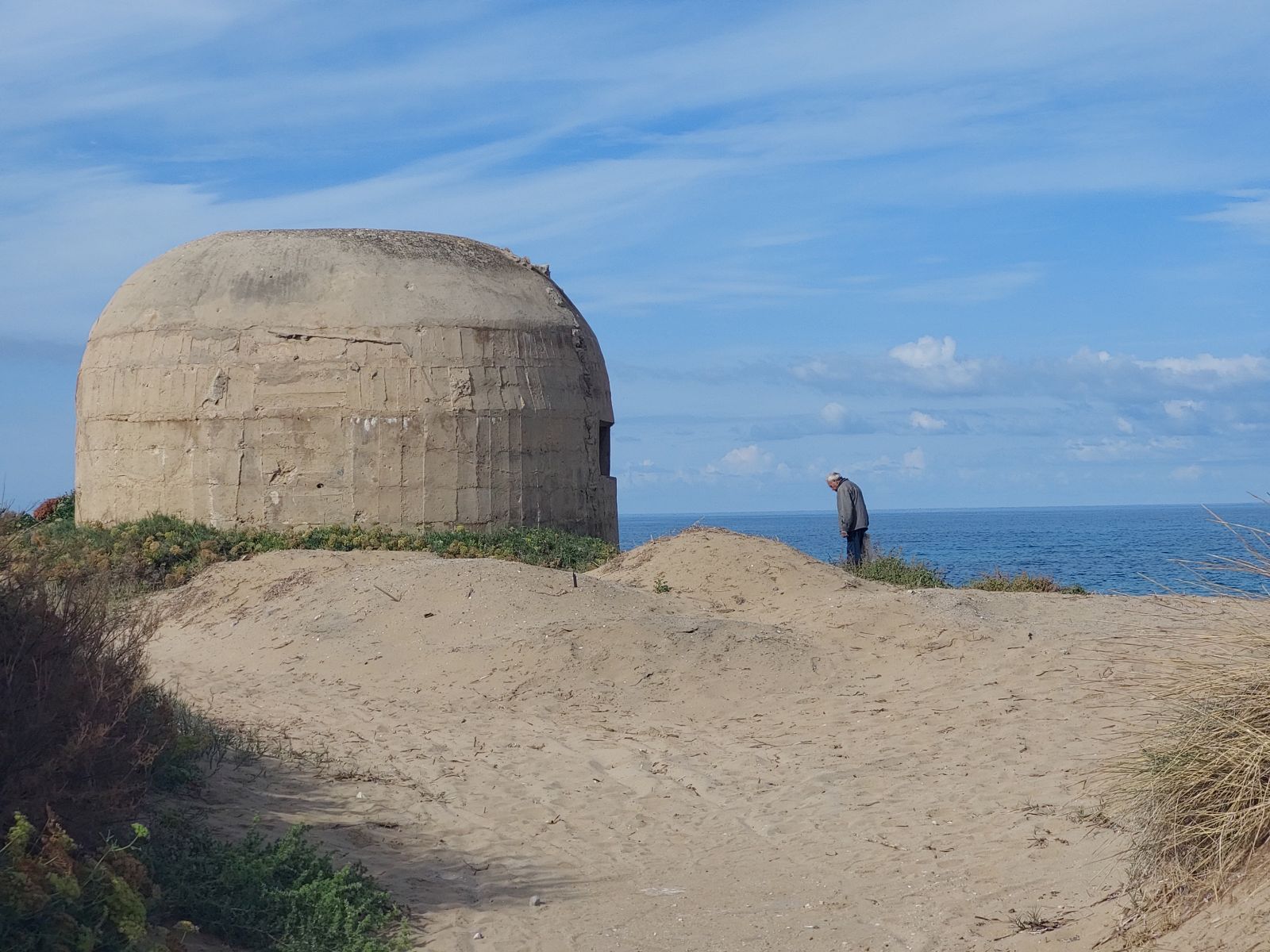
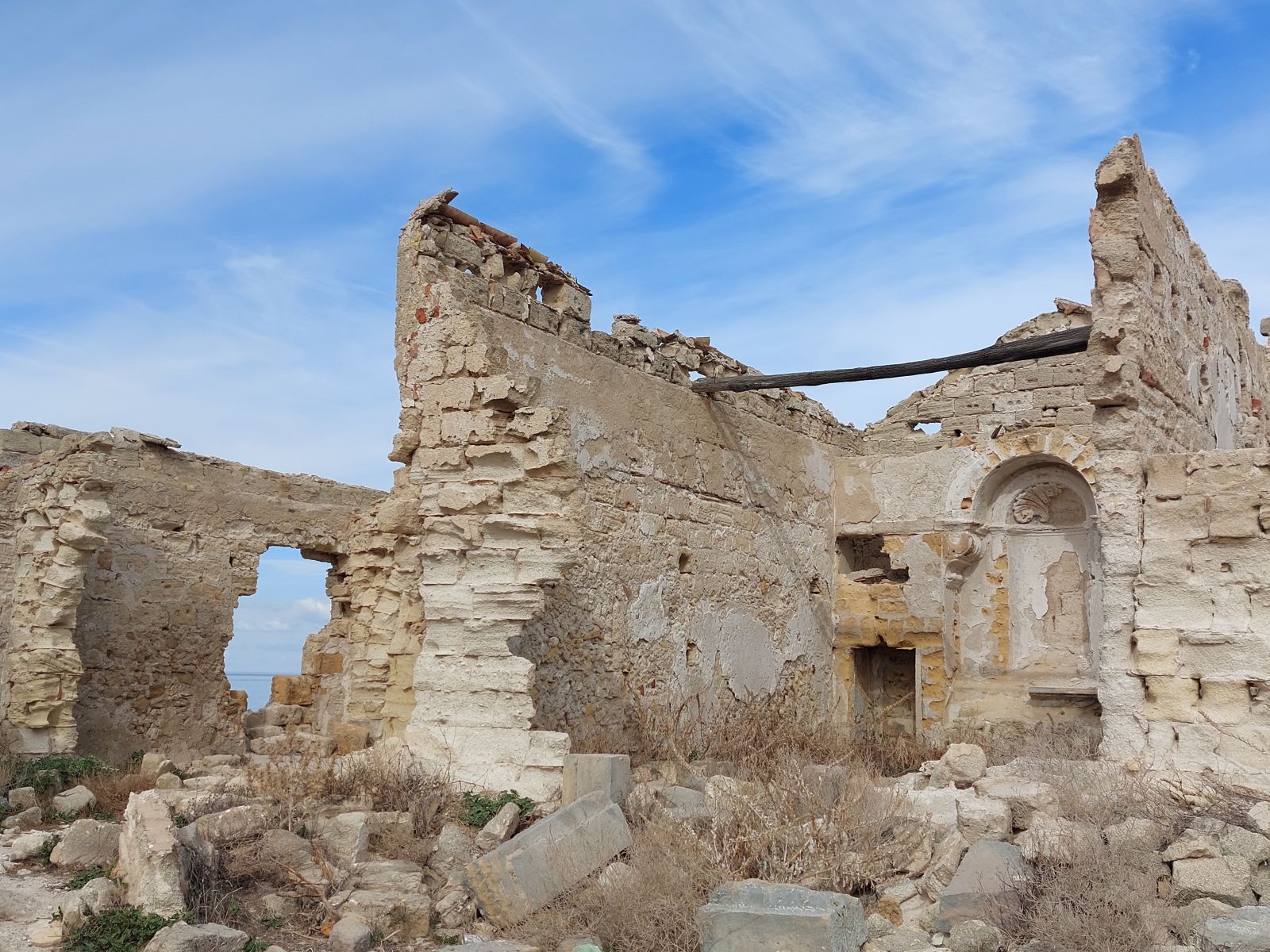
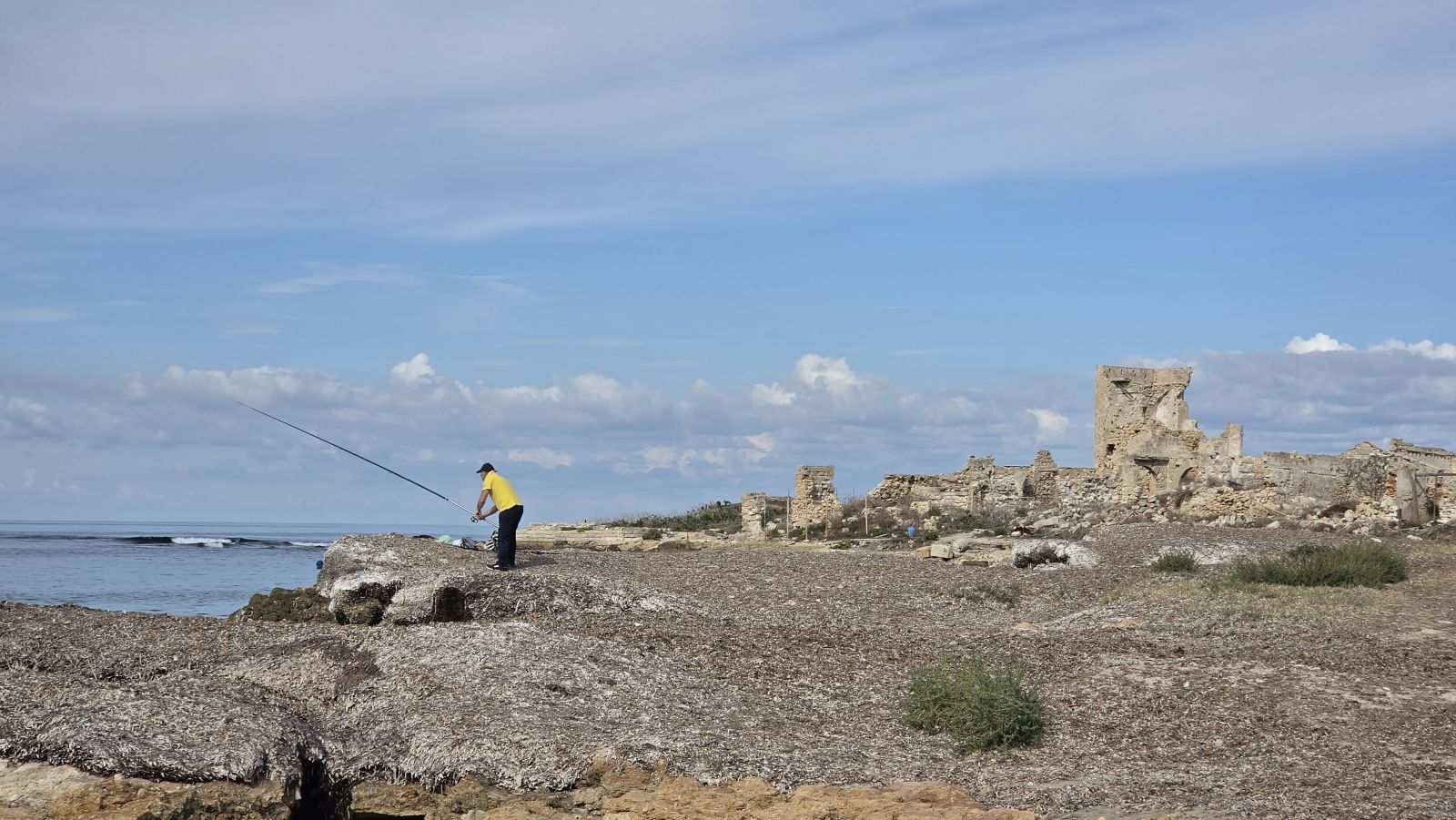
We also walked to the WWII bunker and the ruins of Tonnara Tipa, which was the first tuna fishery in western Sicily, built in the 15th century.
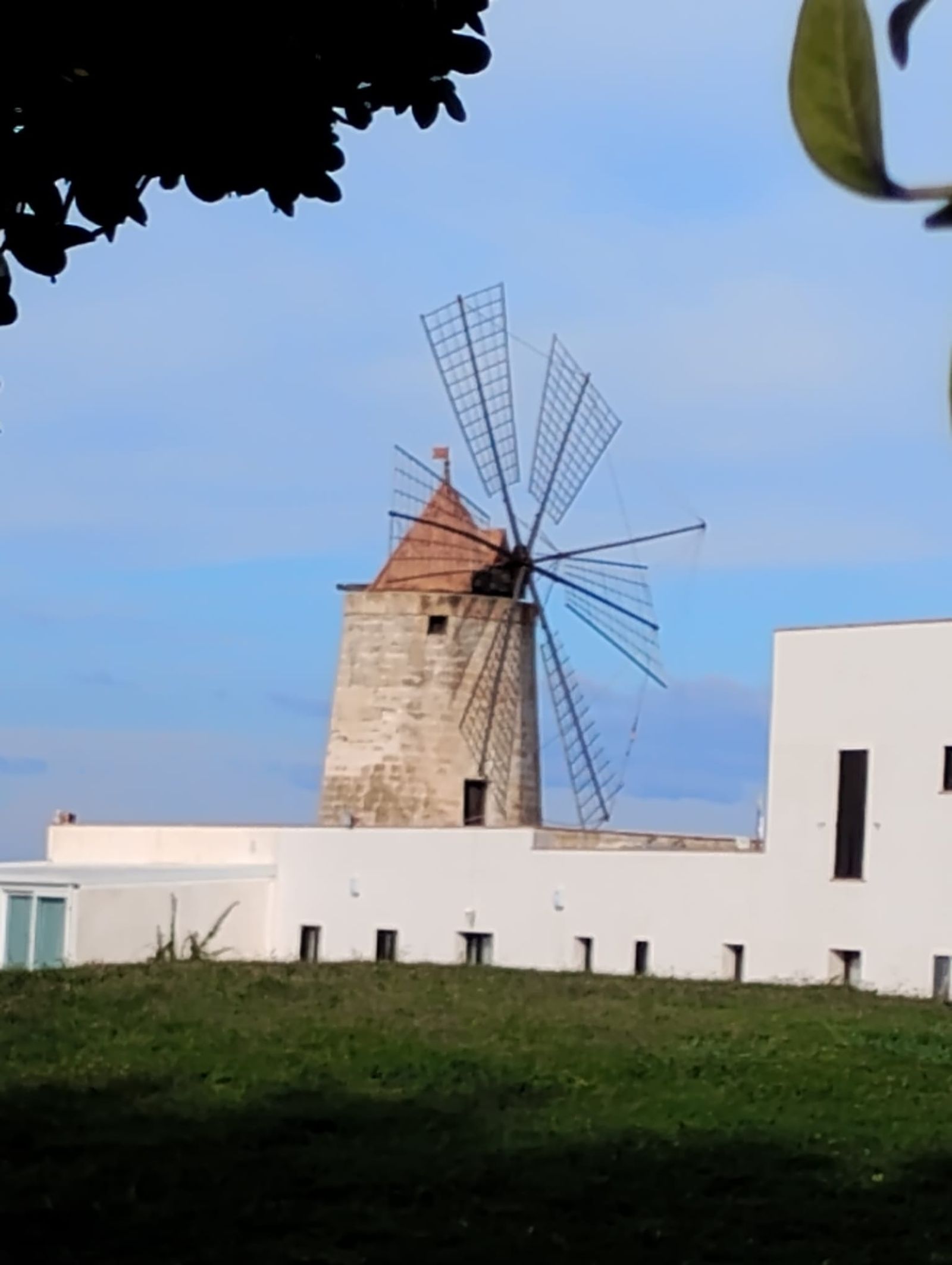
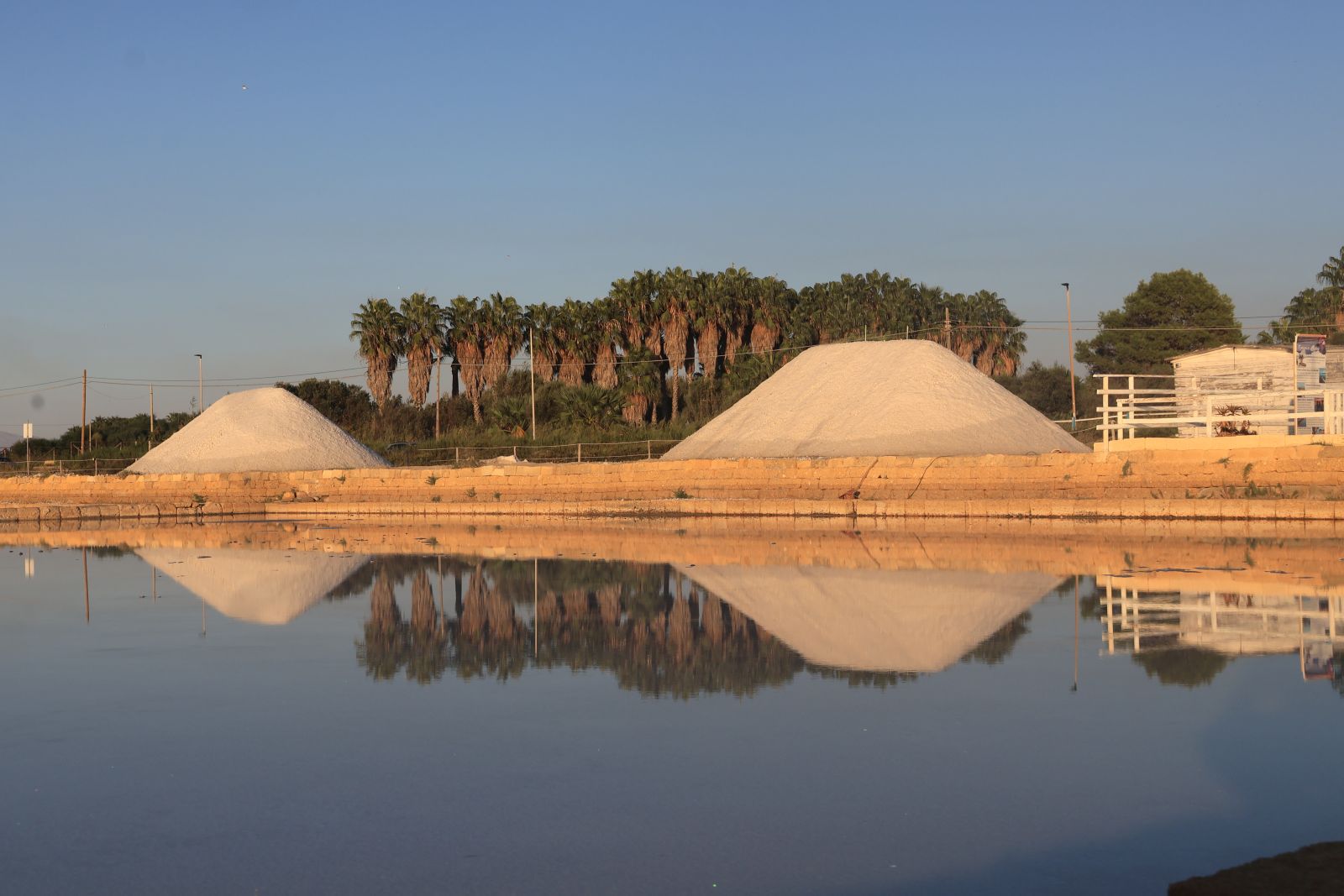
Walking in the other direction from the university, you can also see two historic windmills, which are now part of a beach resort, so you can't get close to them. You can find several windmills in the Trapani and Marsala area, as they were important structures in the salt industry. The mills had two functions: they pumped seawater from one salt basin to the next, and they were also used to grind salt.
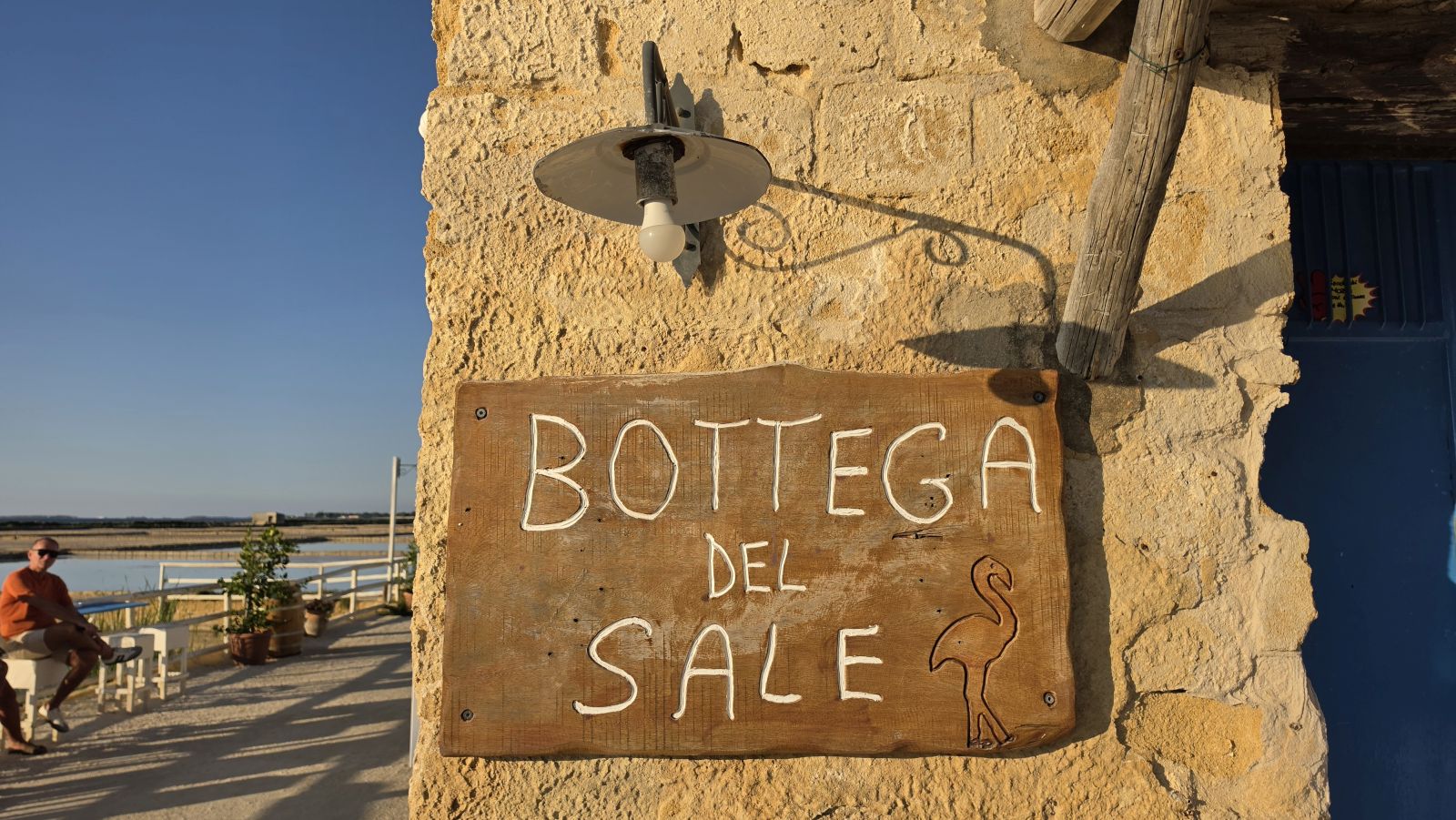
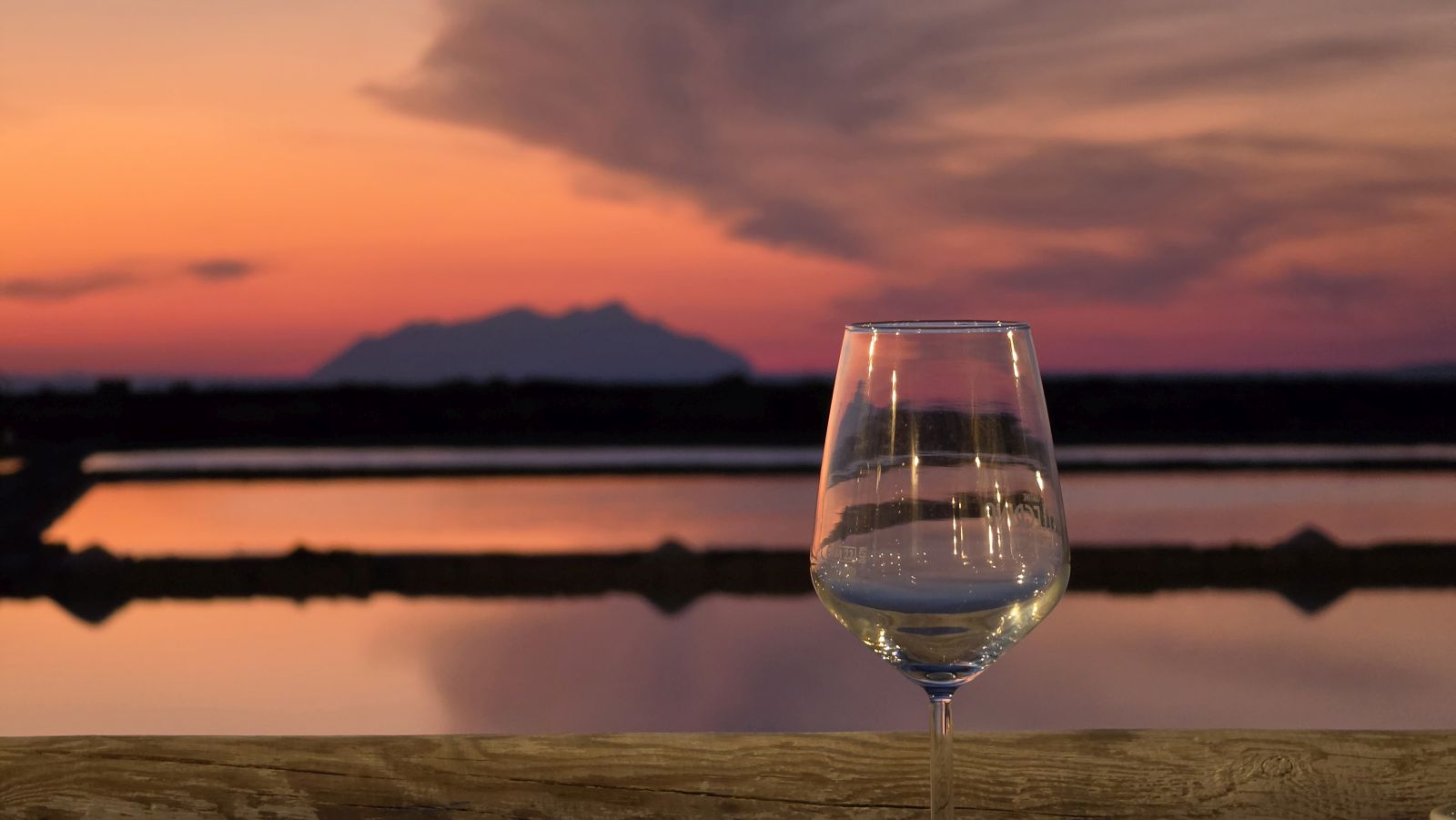
On our small-group tour at the end of September, we visited a salina, learned a lot about salt production and harvesting, enjoyed the most amazing sunset over the salt pans with the Egadi Islands in the background, and even tasted a special salty tiramisu dessert.
The conference continued
In the evening, we all enjoyed a long Sicilian dinner. Attila, Professor Razaq Raj, and I decided to walk to the restaurant, enjoying Trapani at night, with its lights and the view of the sea under the full moon. Razaq is another wonderful person we were happy to meet: an internationally renowned academic, a friendly and modest man.
The next morning, the presentations continued, and then, in the afternoon, about half of the participants boarded the aliscafo (hydrofoil), and we began our 2.5-hour voyage to the island of Pantelleria.
Thank you, Professor Giovanni Ruggieri, Dr. Di Mauro Filippo, Dottoressa Martina Nuccio, Dottoressa Maria Luisa Bonomolo e Signora Gilardetti Tina, for organizing this wonderful conference.
In my next article, I will tell you about the second part of the conference and our magical days on Pantelleria.
On my website, you can already read about the Egadi Islands (Favignana, Levanzo, and Marettimo) and Procida. An article about Ponza is coming soon.
