Over the past months, I guided five small-group tours through Southern Italy, and now that I’m finally back at my desk, I’m excited to share some highlights with you.
Let’s begin in Puglia — but off the beaten path. This particular journey was a private tour for two best friends from Canada who wanted to slow-travel through the Mezzogiorno. They hoped to skip the crowds and discover quieter, more authentic corners of the region. I spent six days with them before they continued on to Basilicata and Cilento — all carefully arranged, of course.
Where did we stay?
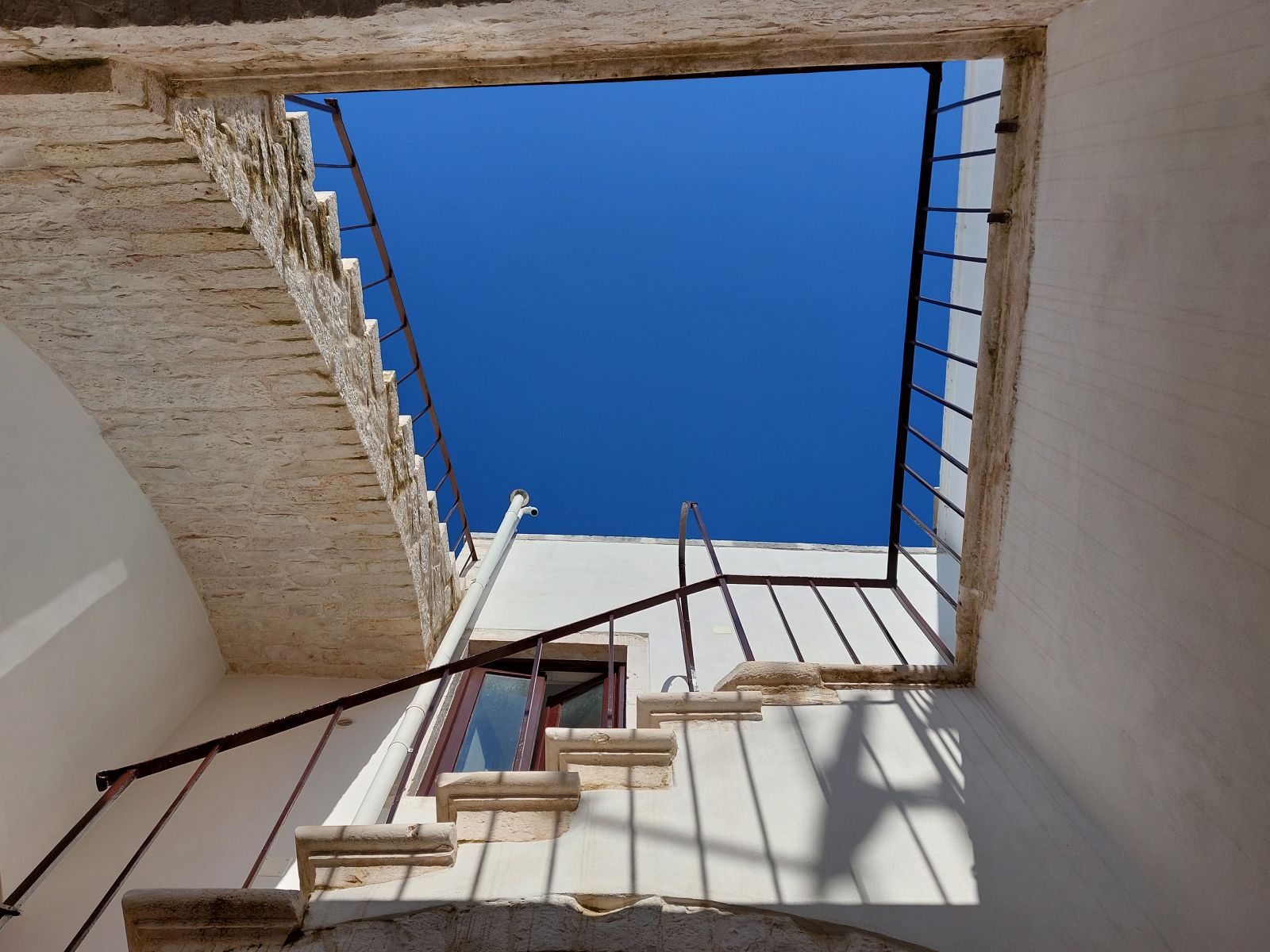
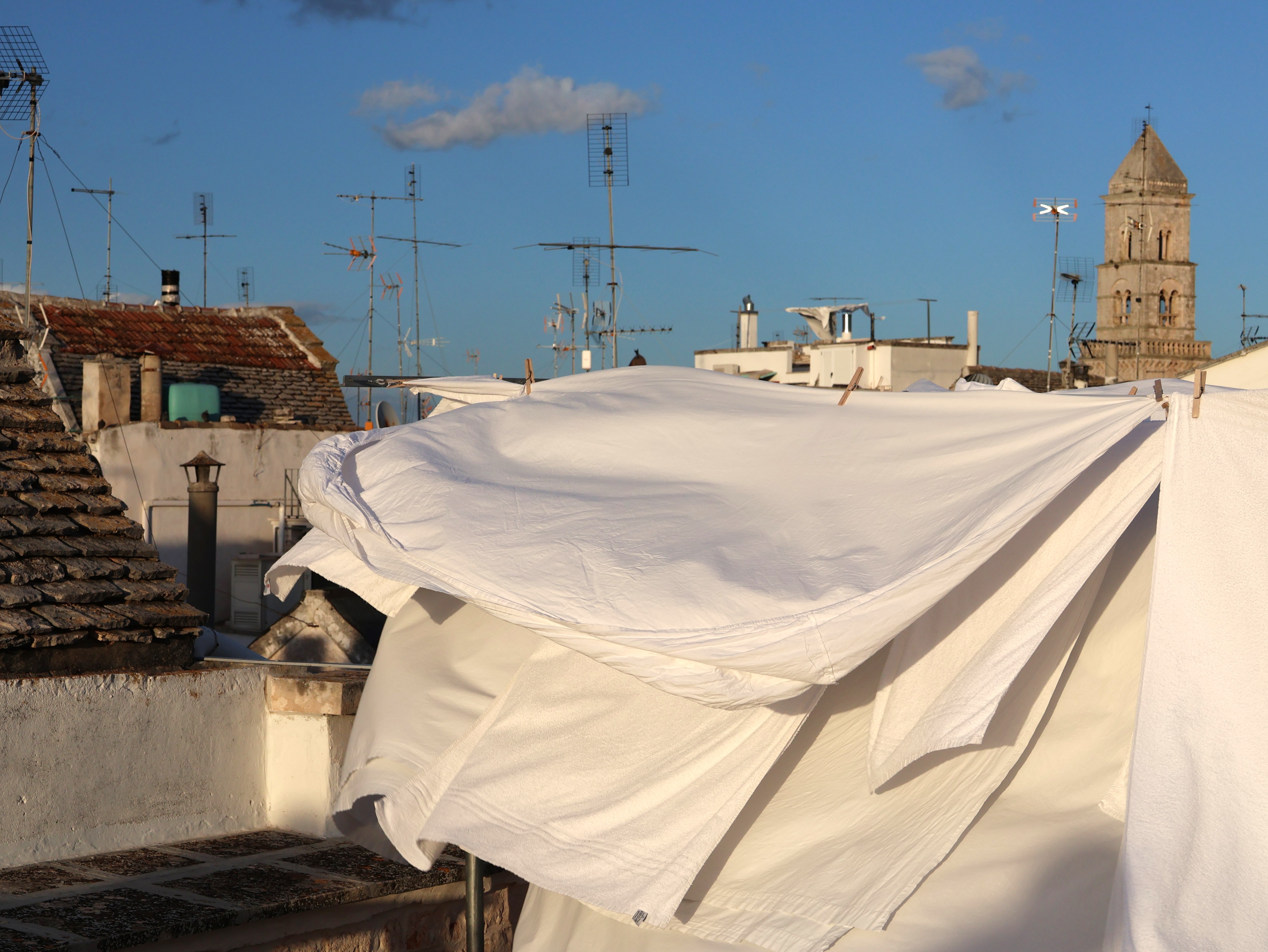
We split our time between two beautiful places. The first was a lovingly restored 17th-century palazzo in Putignano, a peaceful, underrated white town in the Itria Valley. While nearby Alberobello bursts with tour buses, in Putignano we met only locals, making it a perfect base for exploring central Puglia. I always love climbing up to the rooftop of the palazzo to watch the sunrise over the rooftops and bell towers.
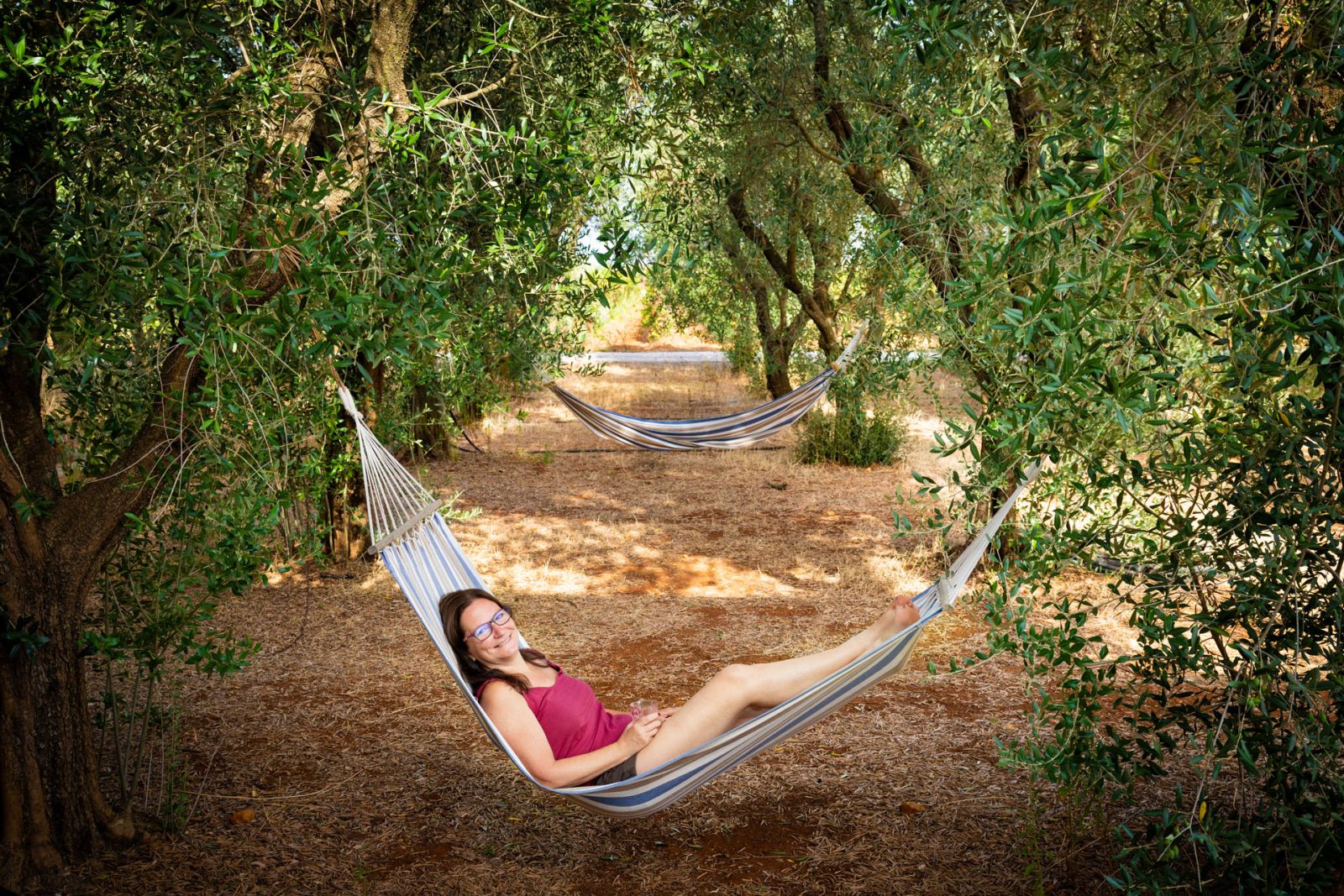
After a few days, we drove south to Salento and checked into an agriturismo run by Francesca and her wonderful family. It was our home away from home, the kind of place where you could easily spend weeks doing nothing but relaxing by the pool, reading in hammocks, and enjoying slow breakfasts beneath the olive trees.

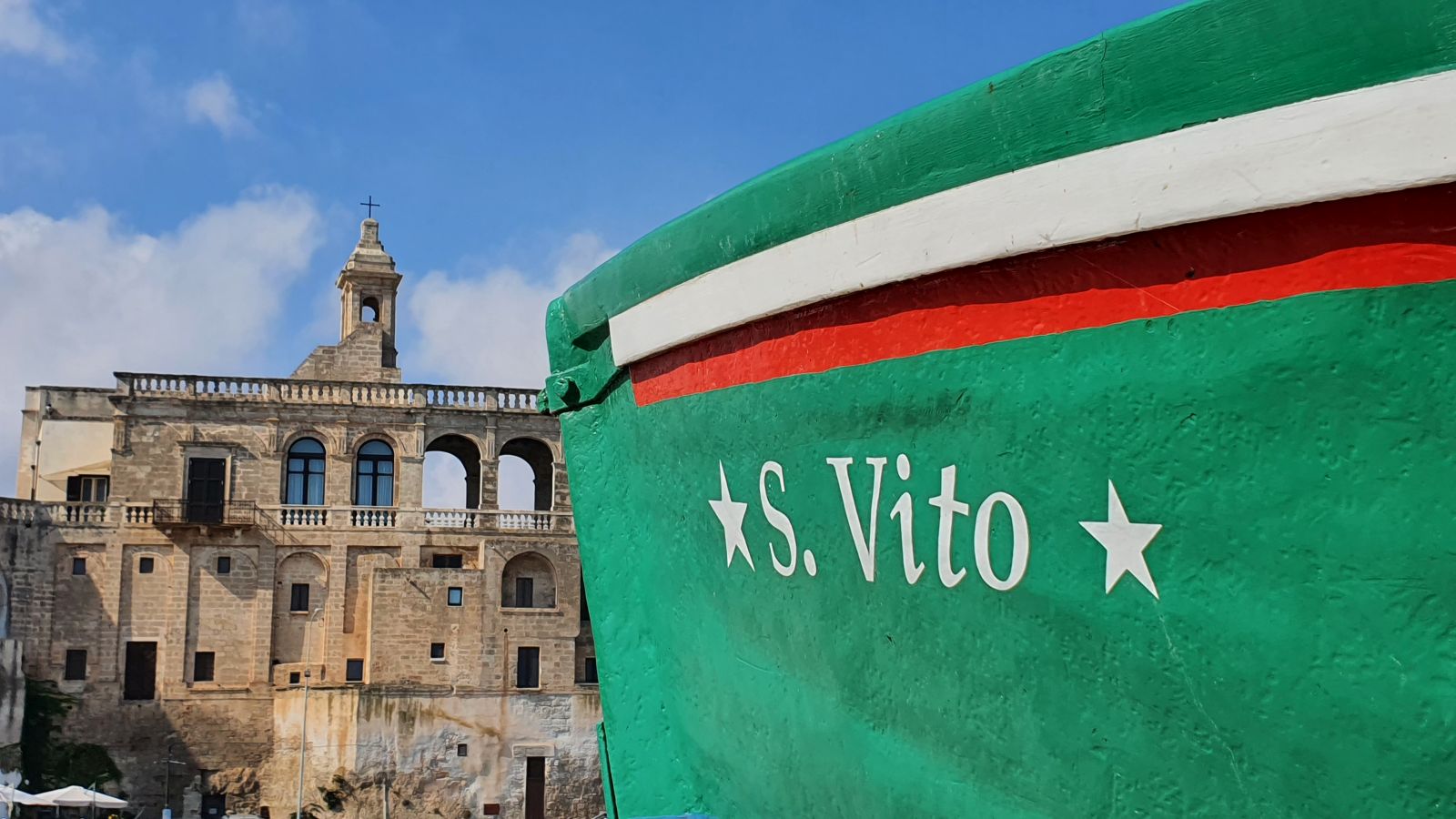
A quiet fishing village in the shadow of an 11th-century abbey
San Vito lies just 3 km north of Polignano a Mare, yet it feels like a world apart. I first discovered it ten years ago while staying in a masseria near Rutigliano. Traveling with friends and three small children, we asked the owner for a kid-friendly beach. He sent us to San Vito, and it has been one of my favorite places ever since.
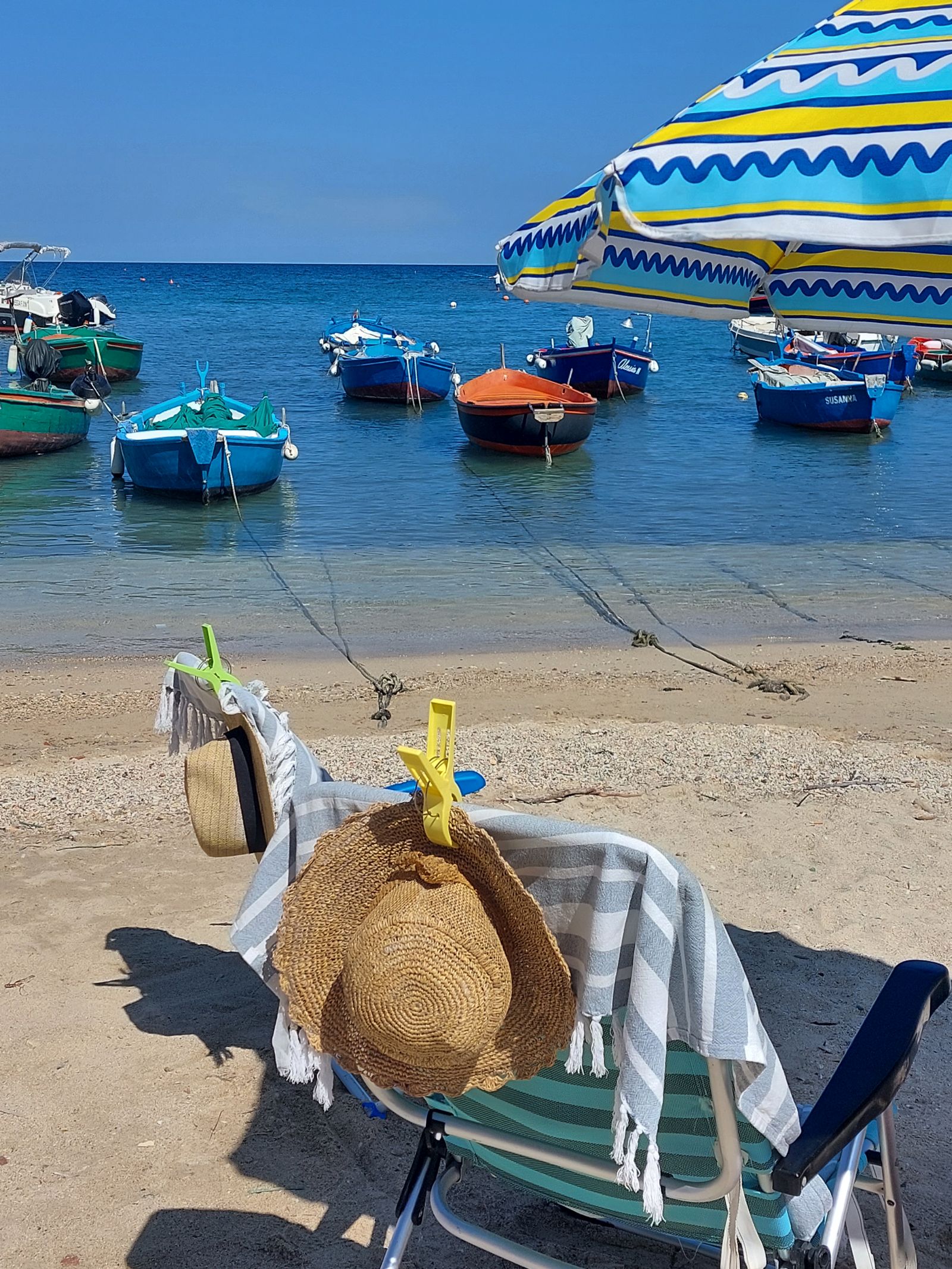
This tiny fishing village, dotted with its colorful gozzo boats, is dominated by a Benedictine abbey. Sunday morning is the only time you can attend mass and step inside, as the complex is now private property.

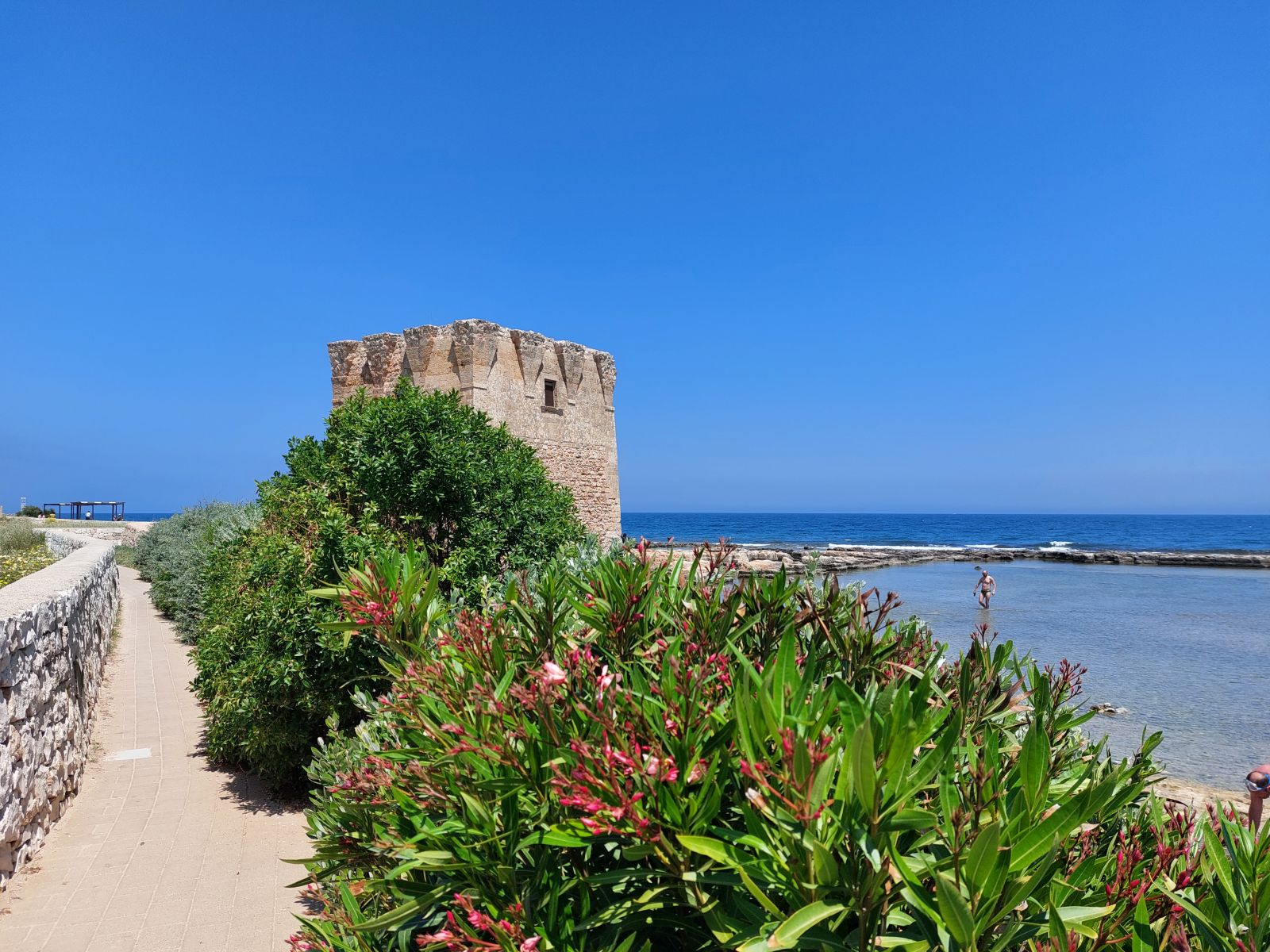
A medieval watchtower guards the bay, and the shallow, warm waters of the ancient stone quarry are perfect for children. Adults swim from the small beach, while local families fill the village with deckchairs, parasols, picnic lunches, and laughter. La Veranda di Giselda is a must, I always leave with a little paper bag of their grape jam pastries.
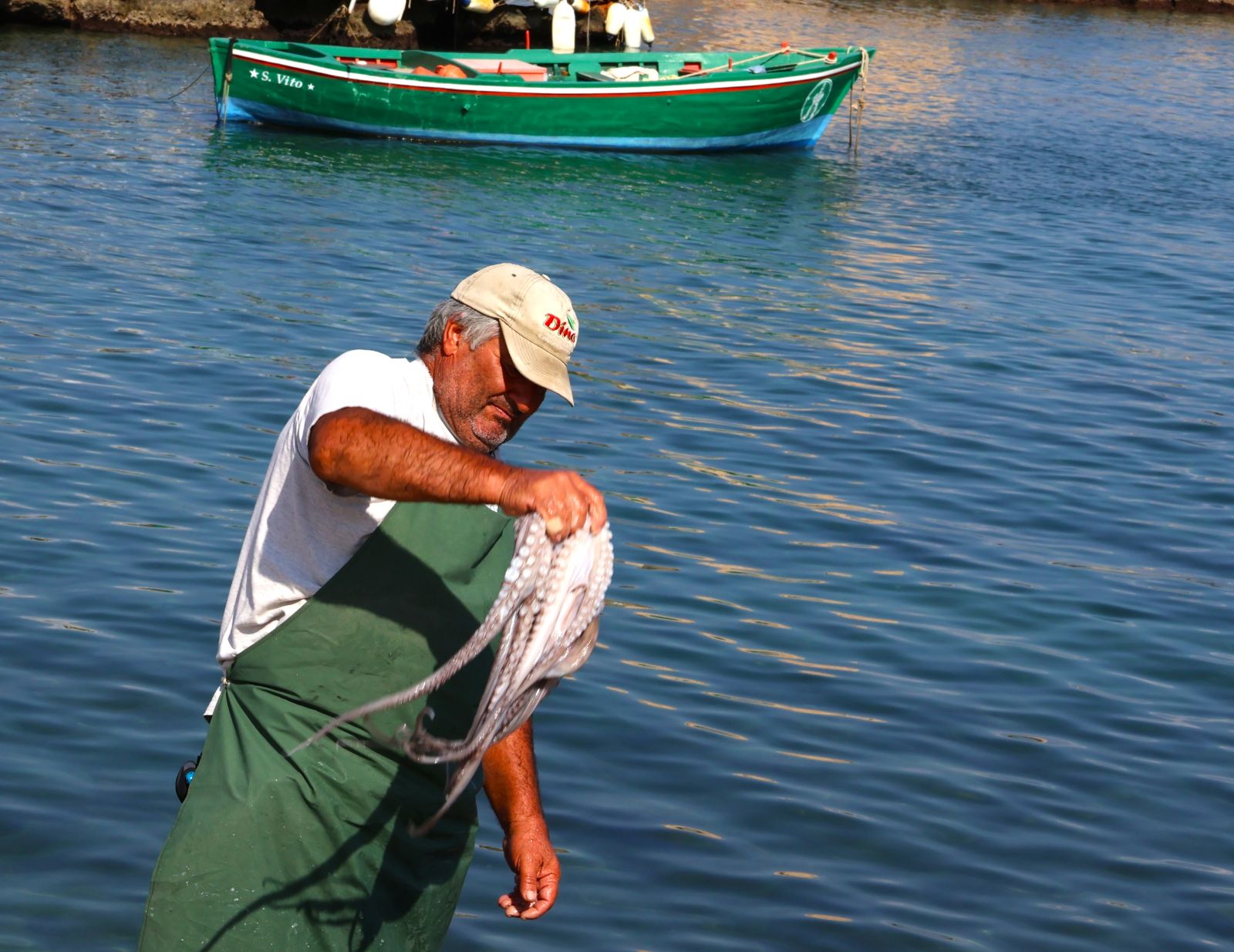
Fishermen paint their boats and sell fresh octopus to nearby restaurants. The atmosphere is relaxed and unpretentious, a world away from bustling Polignano.
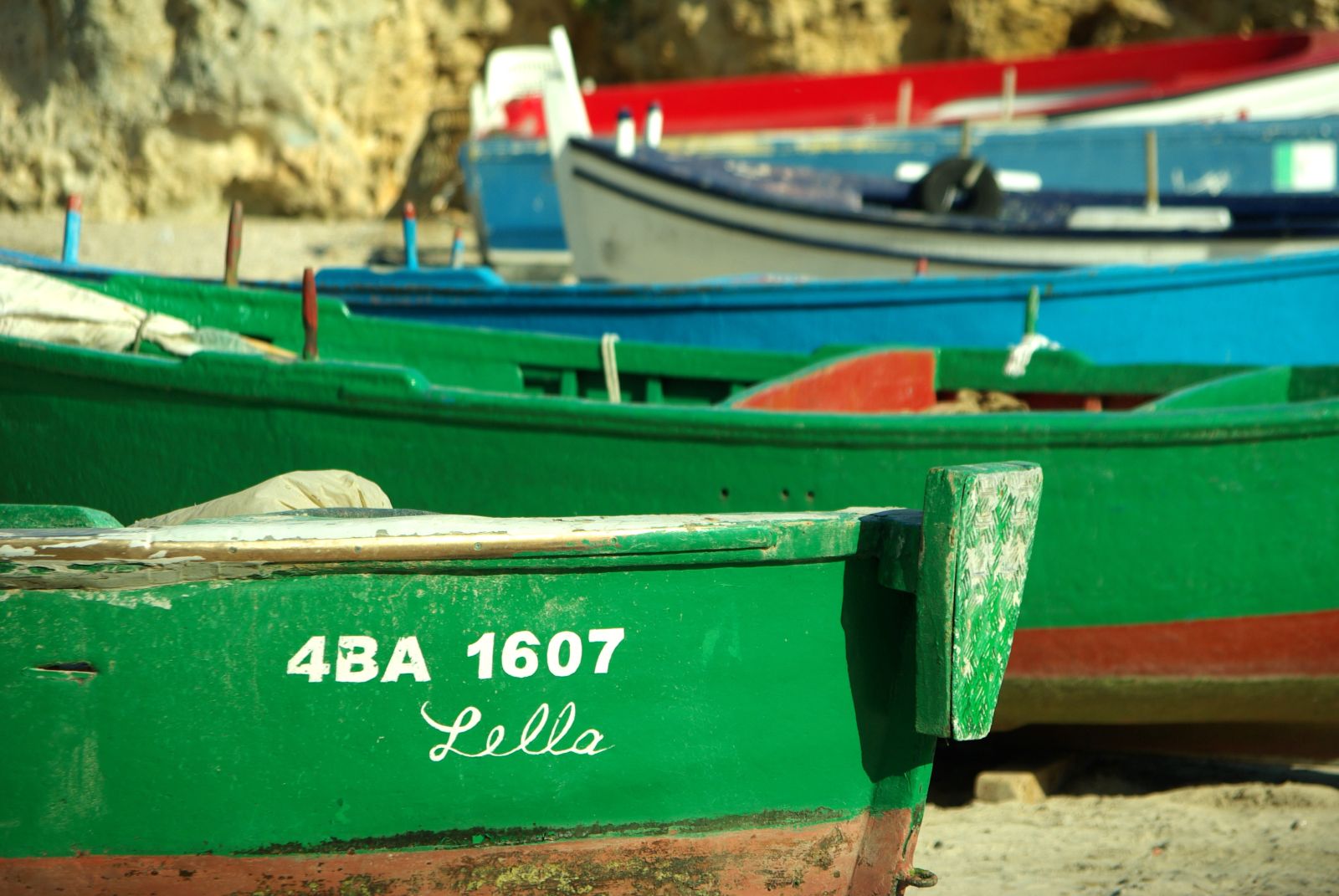
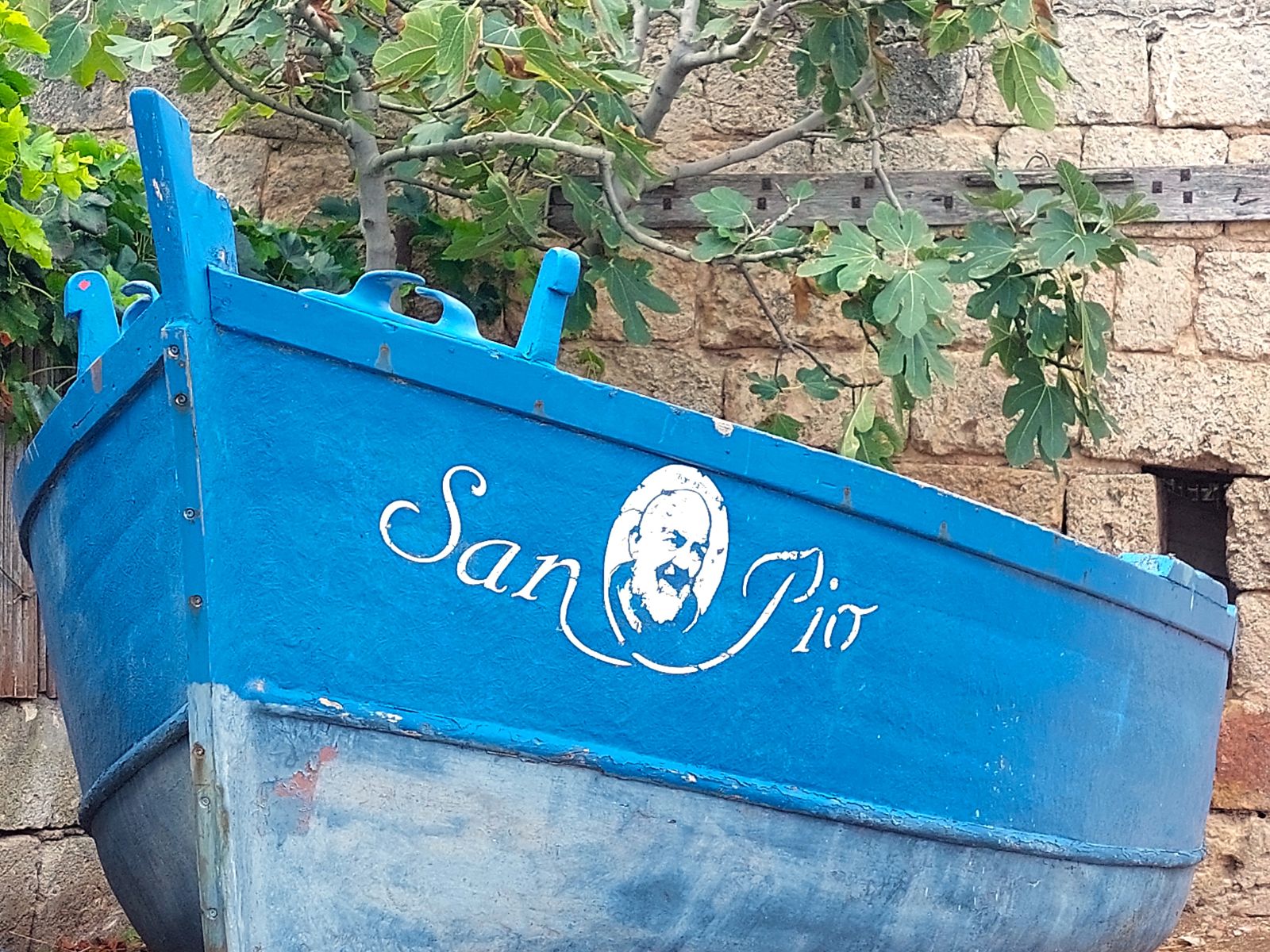
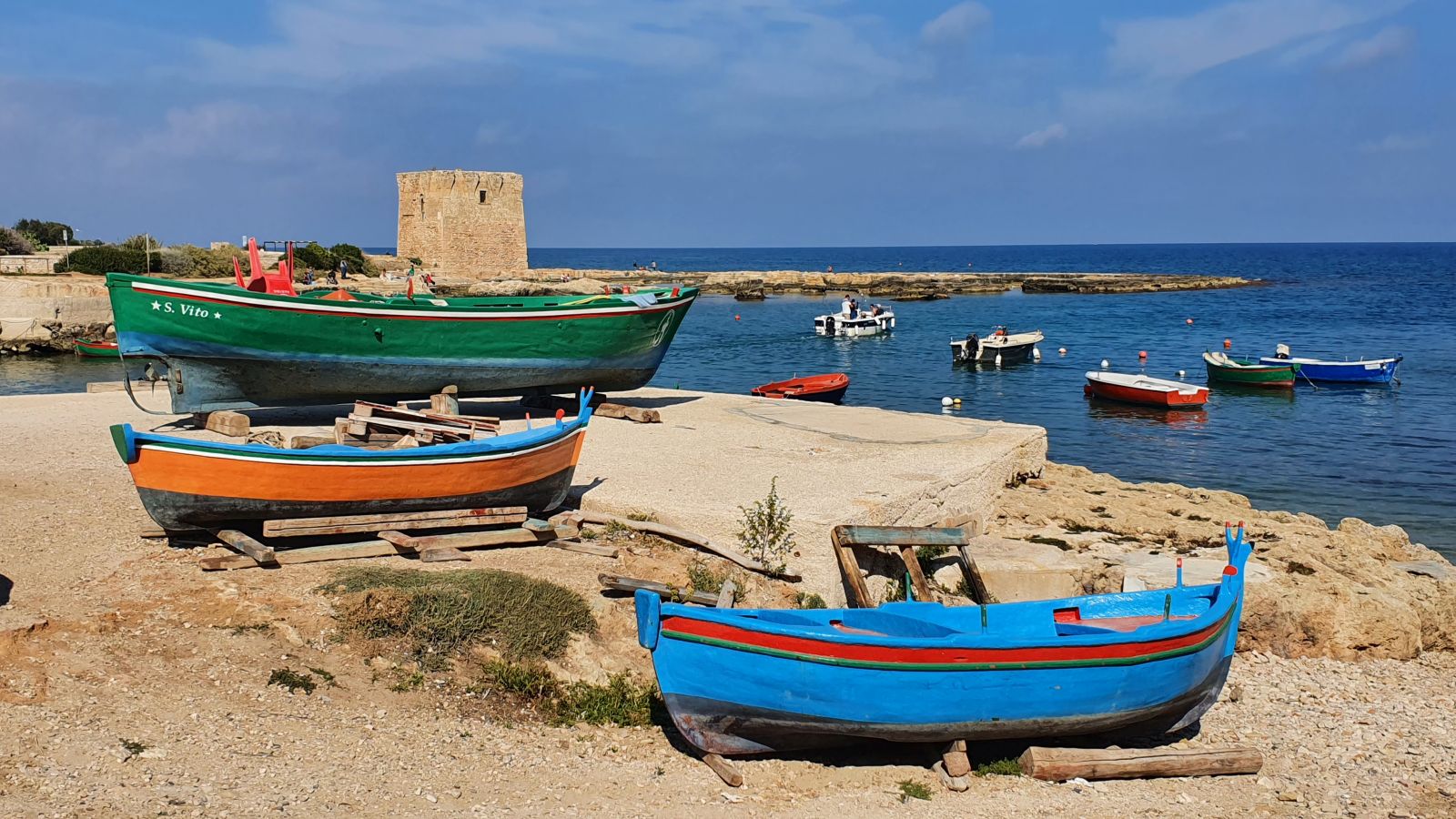
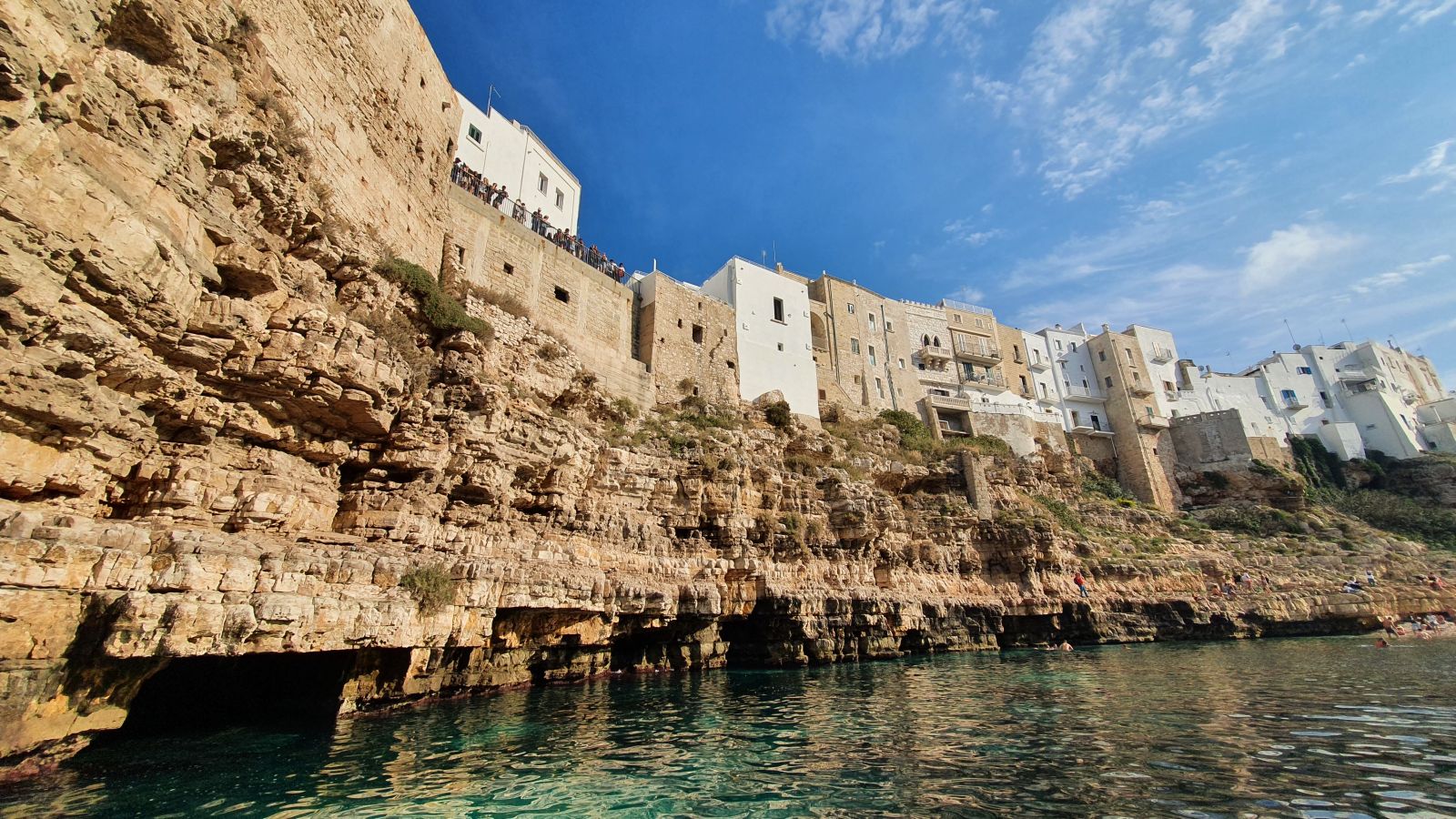
We explored Polignano from the quietest perspective possible: a boat trip with Giuseppe. Leaving from San Vito, we admired the white houses perched atop cliffs and the scenic sea caves before jumping into the turquoise waters of the small port for a refreshing swim.
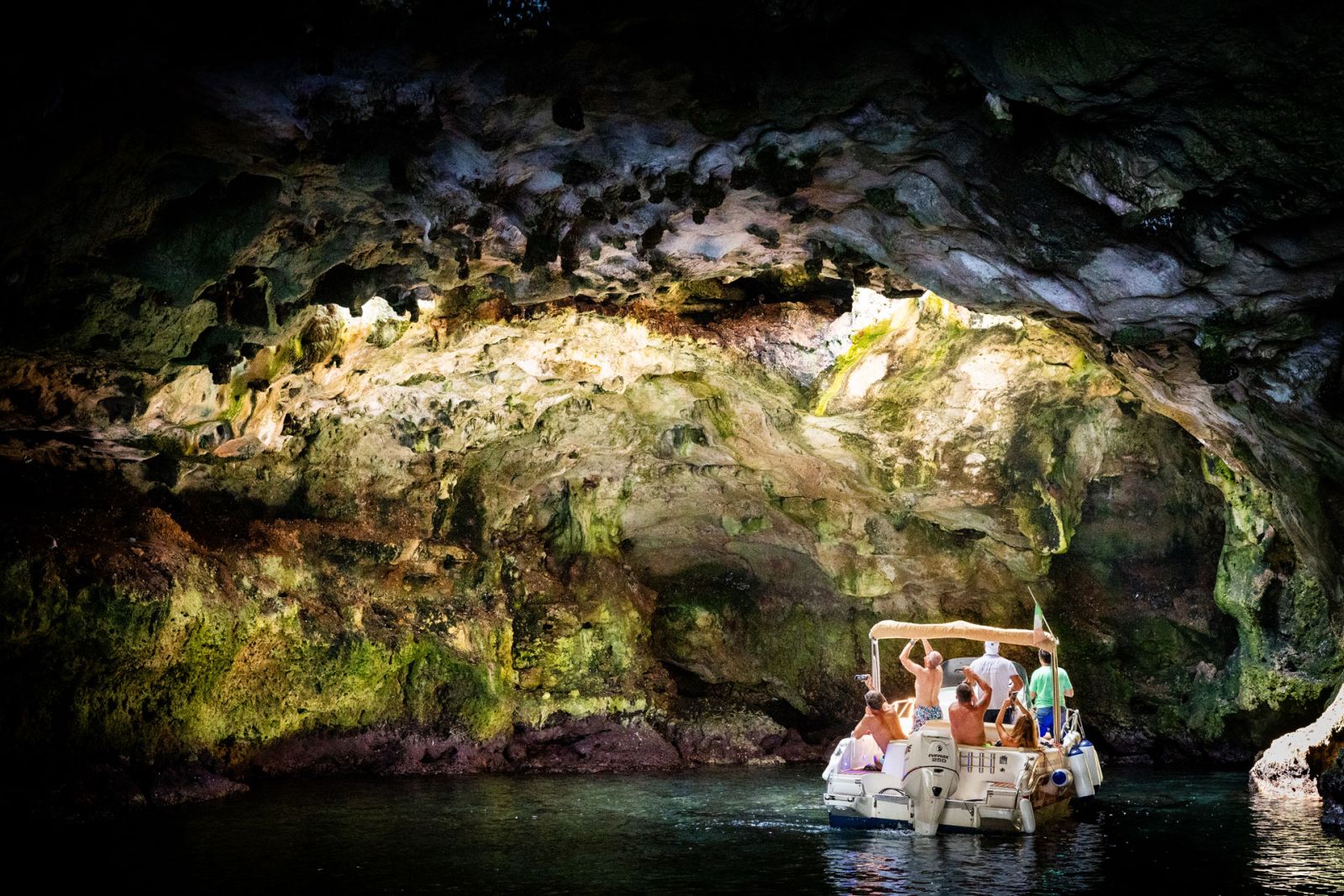
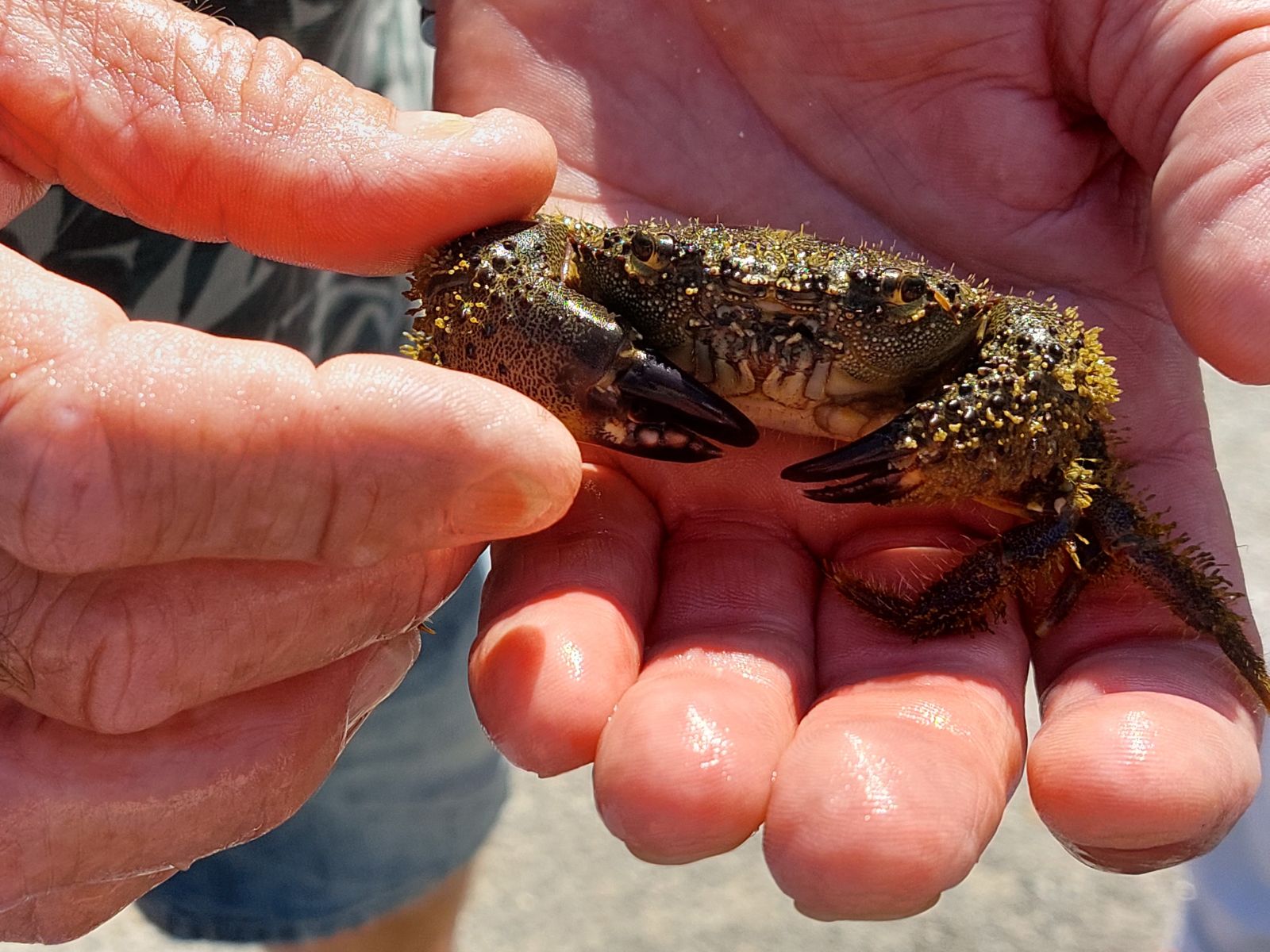
Many years ago, we were walking around San Vito, chatting with a local man — a different Giuseppe — who was showing us a crab. We were with a small group, and it turned out to be an especially hot day. So I asked, “Giuseppe, do you happen to have a boat?” He replied, “No, but my cousin Giuseppe has one.” Two hours later we were sitting on the boat with a glass of prosecco in hand, enjoying the Puglian sun and the view of this incredible coastline.
That’s how things work in Puglia, and in much of Southern Italy. It’s all about who you know. My WhatsApp is full of numbers from people I’ve met along the way, or friends of friends. A whole network of locals who are always there for me and for my clients.
A lazy seafood lunch in Savelletri
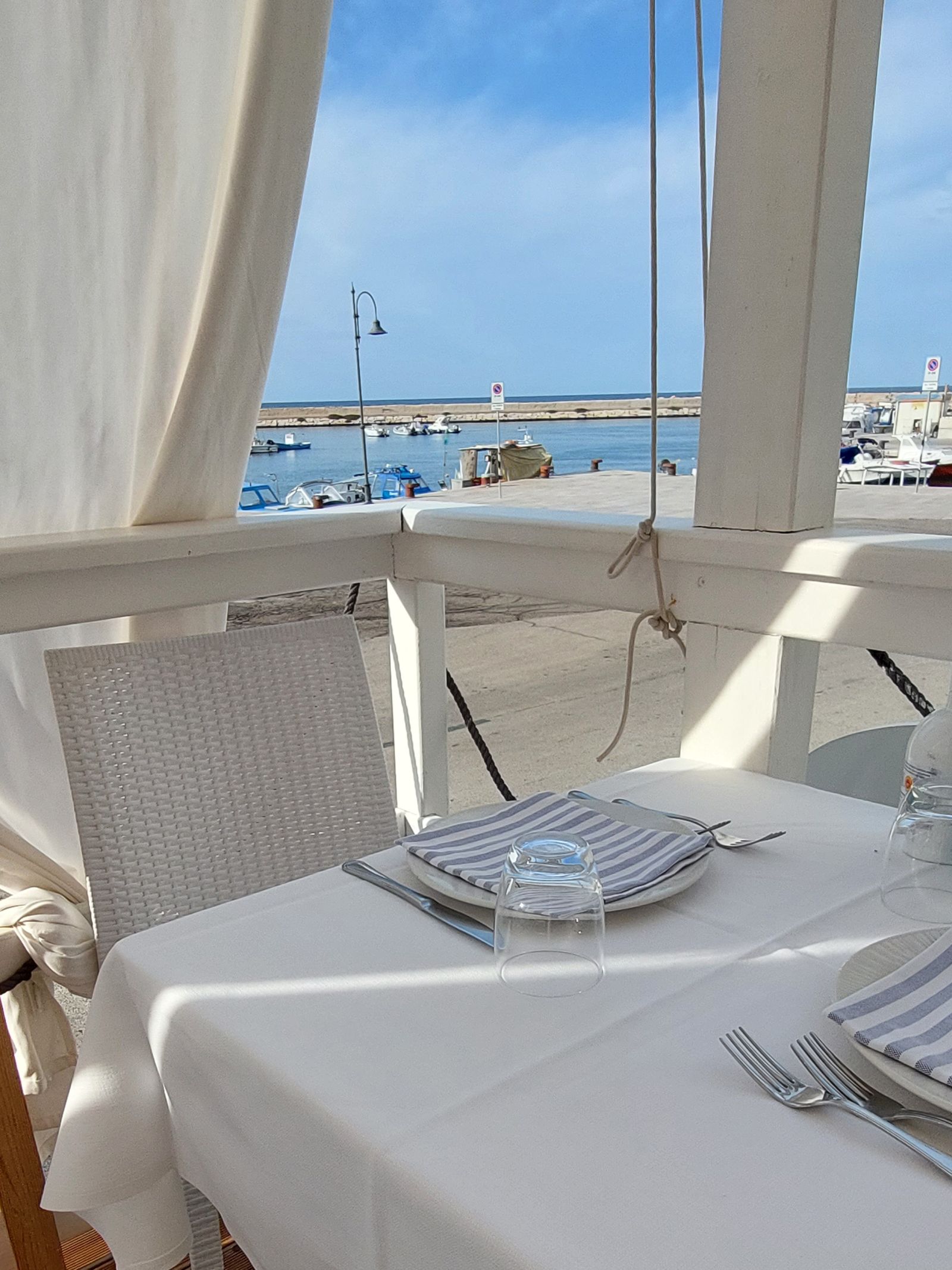
From the water, we could already see that Polignano’s famous beach and the bridge above it were packed with people, so we decided to skip the town and head instead to Savelletri for a seafood lunch.
Although the 2024 G7 summit was held at nearby Borgo Egnazia, and it was all over international and Italian news, Savelletri has remained a sleepy coastal town most of the year.
A delicious seafood lunch and the slow rhythm of simple seaside life make Savelletri a real gem, even if you don’t find it in the usual “Top 10 Places to Visit in Puglia” posts.
Saturday market in Ceglie Messapica
It was mid-September and still very hot, so the ladies decided to skip Bari and spend more time in nature, by the sea, and in smaller towns.
September is also peak season for tour groups in Puglia, so we tried to avoid all the spots where most companies go. We drove past Ostuni, admired the Città Bianca from afar, and visited the Saturday street market in Ceglie Messapica instead.
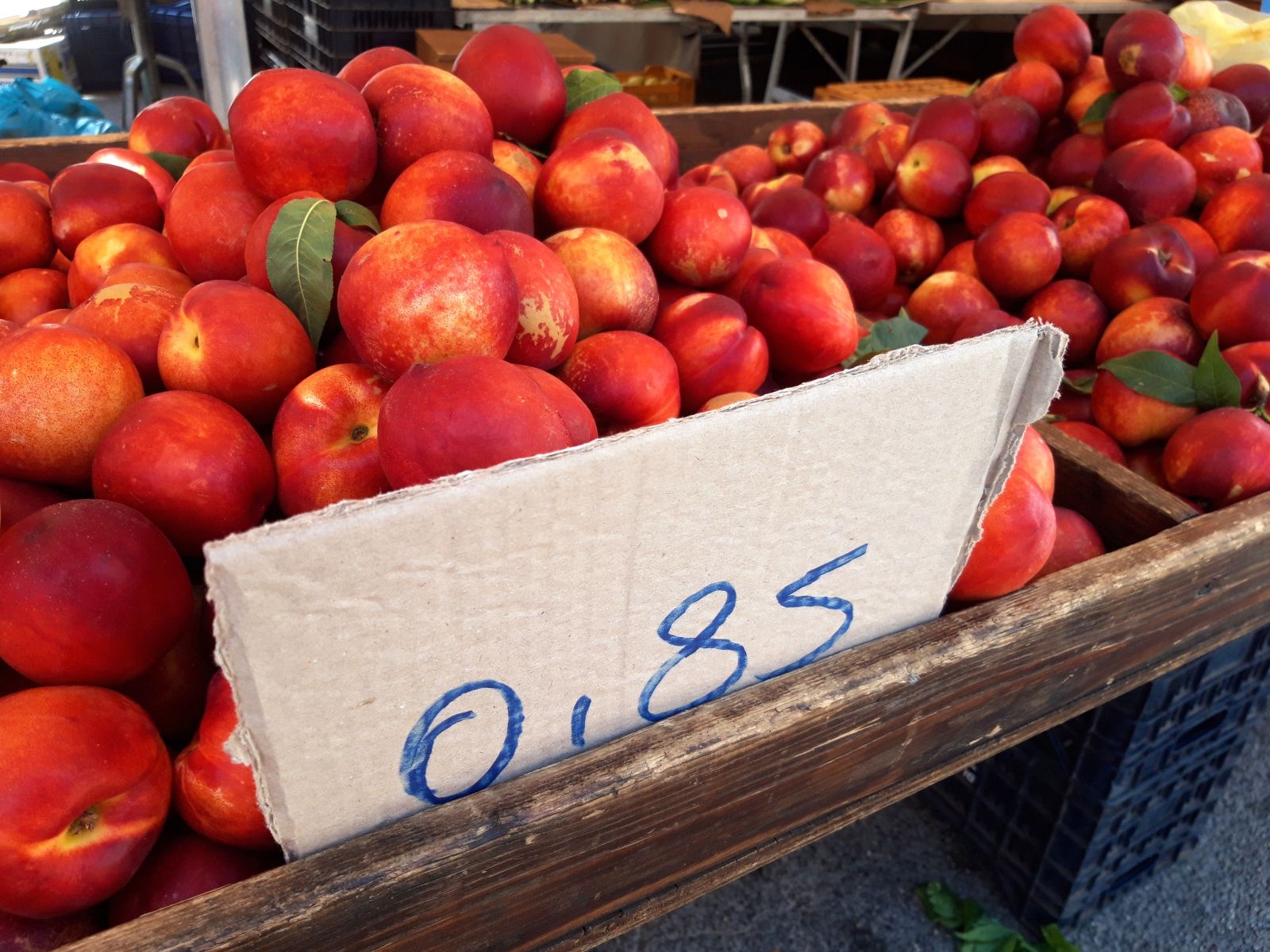
I first visited this market in 2021 and was impressed by €1 lemons and €0.85 peaches. Prices are a little higher now, but still very affordable, and the market is a great place to meet locals. We also stopped at Ceglie’s most famous forno to buy biscotto di Ceglie, a traditional sweet made from almond paste, citrus zest, and cherry jam.

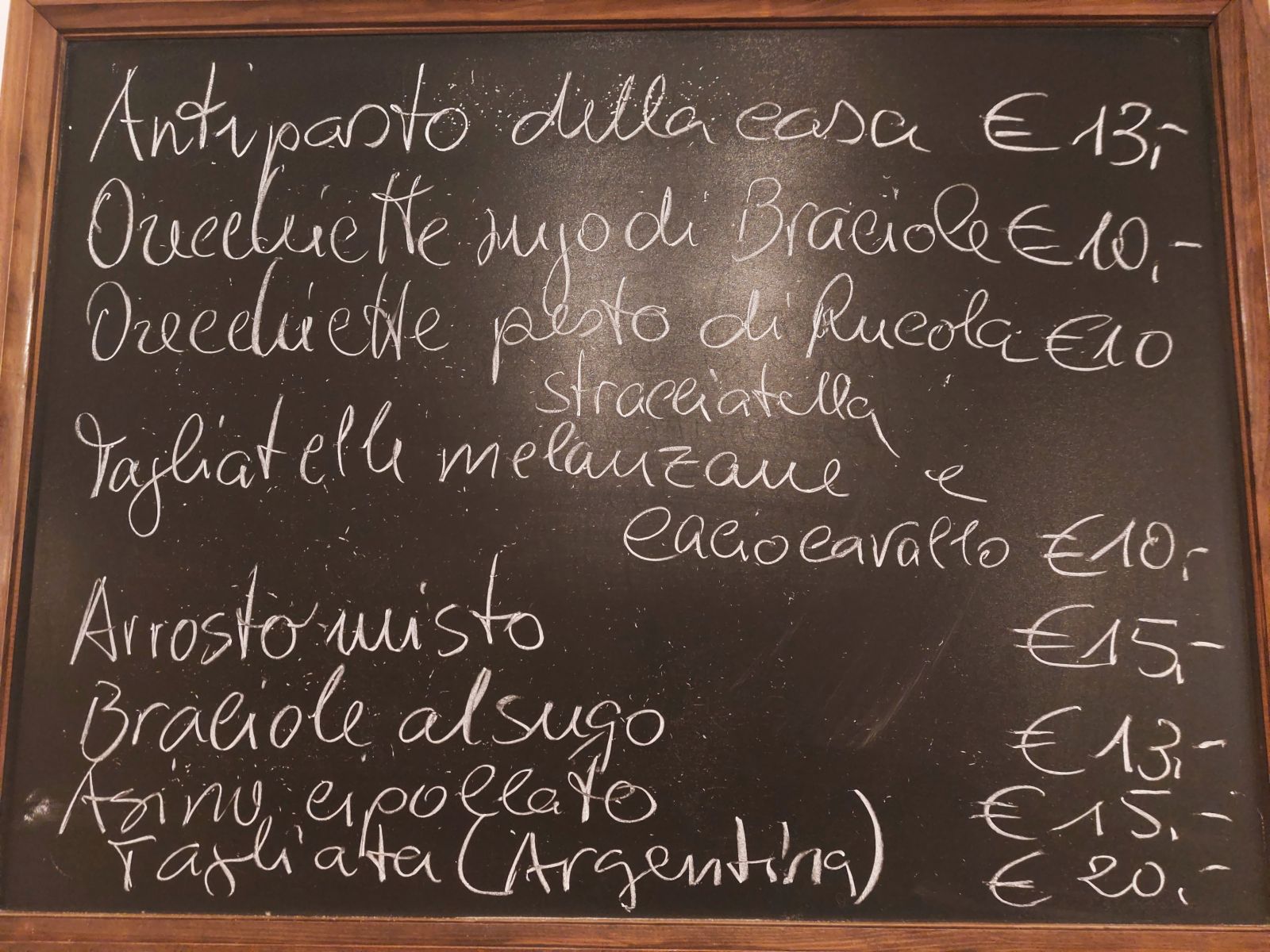
The highlight of the day was a long lunch in a hidden corner of town. Giuseppe welcomed us like old friends, and it was certainly one of the best meals of our trip. Dining here feels like eating in a family home, the entrance is barely noticeable from the street. The menu is handwritten, short, and simple, based mostly on KM0 (locally sourced) ingredients.
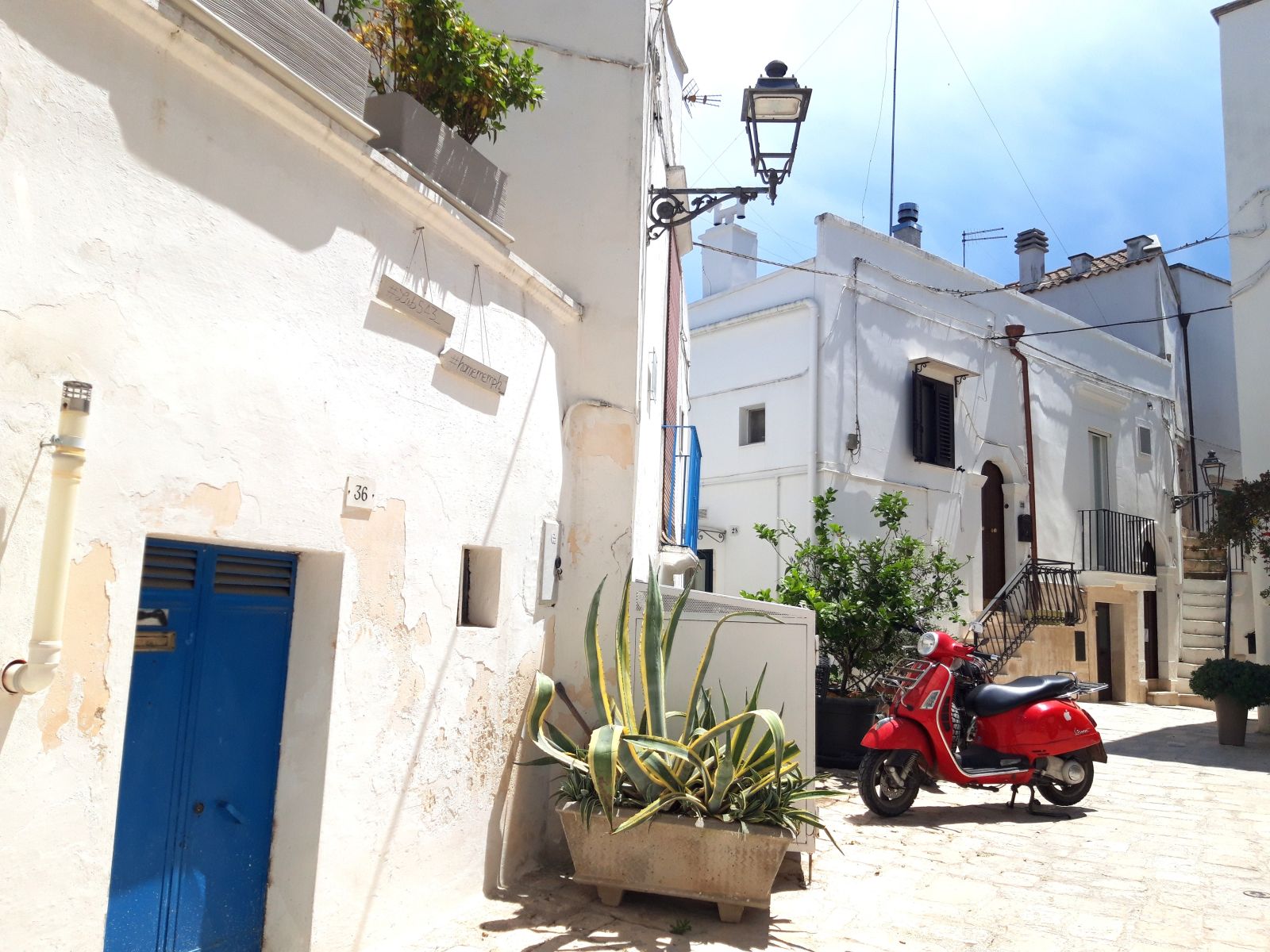
Often overshadowed by its more famous neighbors — Ostuni, Martina Franca, and Alberobello — Ceglie has quietly become a pilgrimage site for lovers of slow travel and slow food.
The sea of Salento
When my daughter asks, “Mom, what is your favorite color?” I always reply: “the turquoise of Baia di Miggiano in Puglia.” I’ve traveled to over fifty countries, but this bay still tops the list for me, with the sea of Favignana a close runner-up. (My blog post about Favignana and the Egadi Islands is coming soon.) So of course, I had to take the ladies to Miggiano.
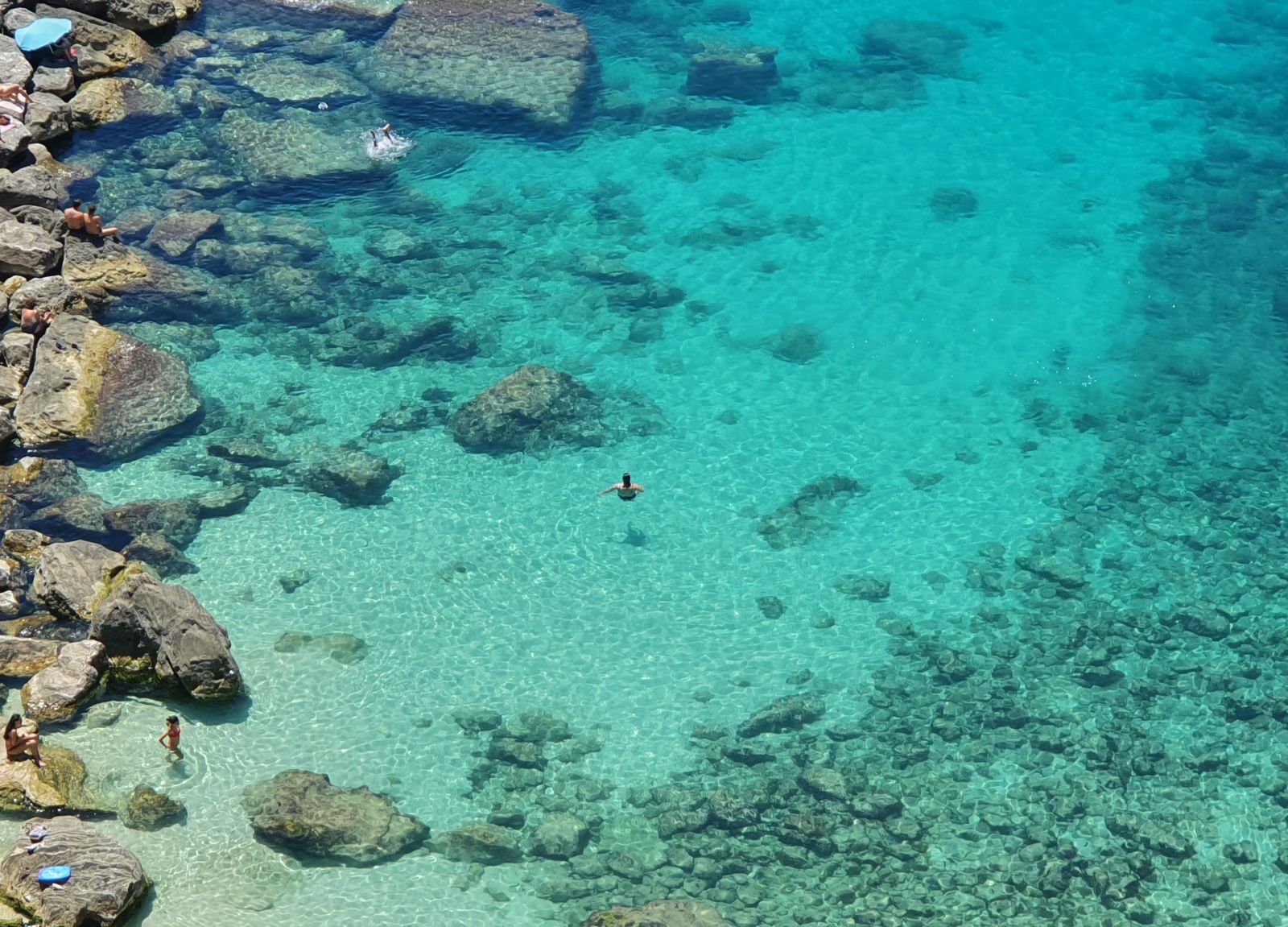
With its 860-km coastline, Puglia offers a huge variety of world-class beaches: long sandy lidos on the Ionian side and dramatic cliffs with rocky coves along the Adriatic. I personally prefer the wild Adriatic coast, but the Ionian side is perfect for long walks and sunsets.
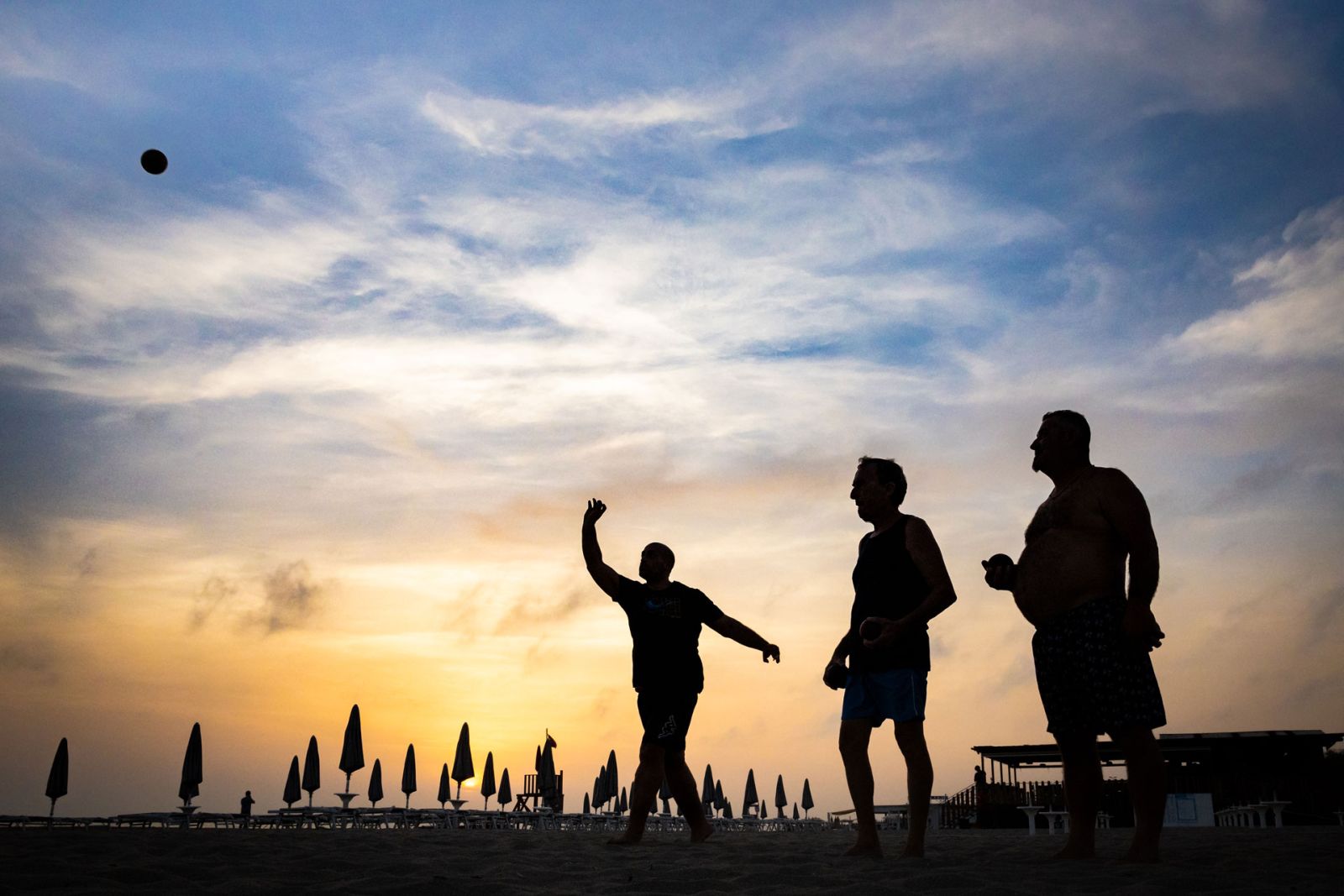
We also enjoyed a seafood lunch at my favorite family-run restaurant near the Ciolo bridge, and watched the incredibly brave cliff divers leap into the bay. Puglia is famous for cliff diving; children grow up jumping from rocks, and Polignano a Mare hosts the Red Bull Cliff Diving World Series every year.
You can watch a short video of the cliff diving on this link
The hidden underground town of Presicce
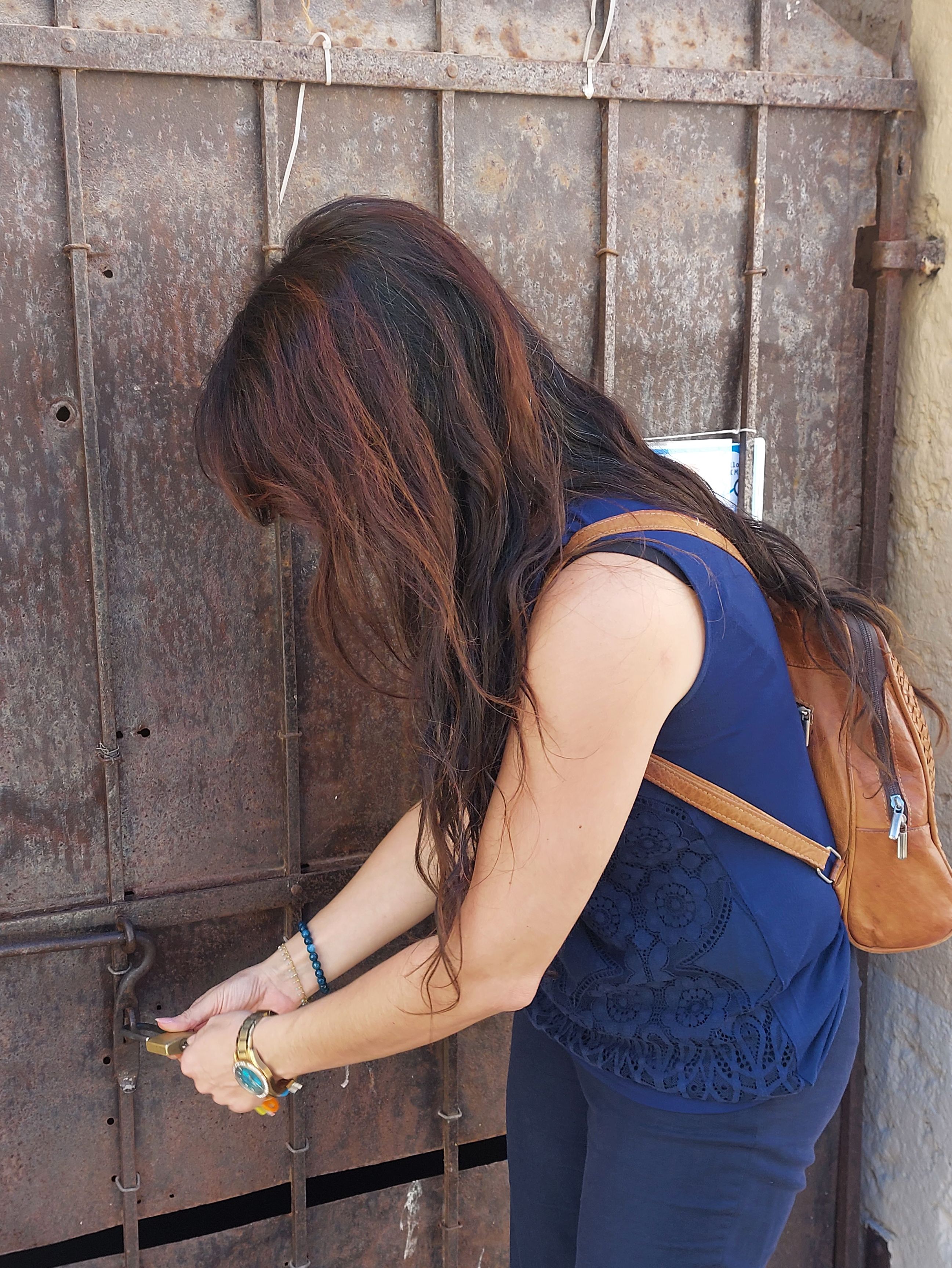
We also had a bonus activity, one I hadn’t planned. Our host, Francesca, is also a fantastic local guide, and she offered to show us around Presicce — another town you won’t often find in guidebooks. Beneath the streets lies a parallel world: a huge cave system containing 23 ancient olive mills. Francesca had the keys to all the secret doors and, as the daughter of an olive farmer, answered every question we had about making olive oil.
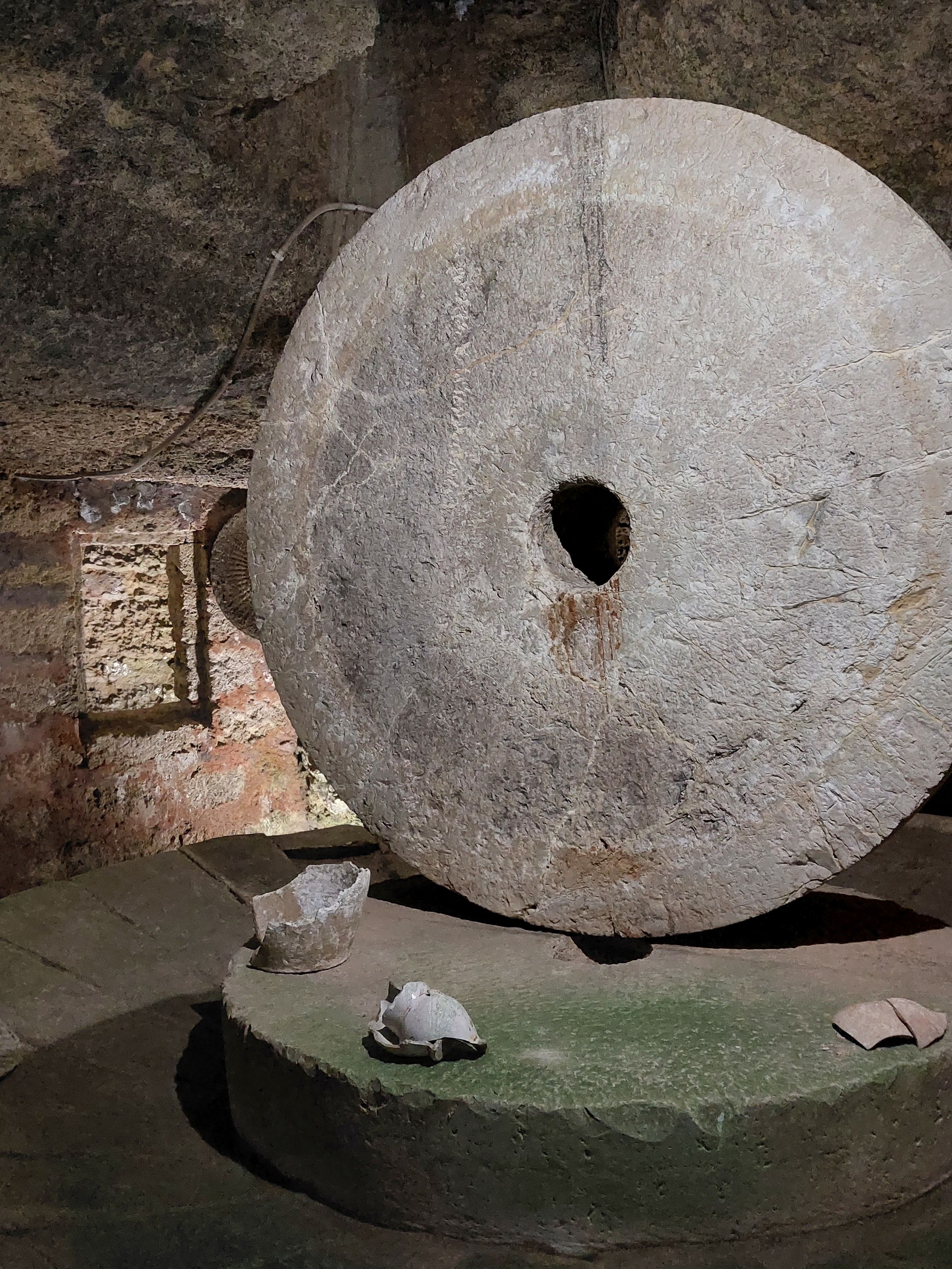
Although we don’t own any olive trees, I am passionate about good olive oil and the olive harvest, and I just published a blog post about our visit to the olive harvest in Cilento this November.
P.S. The answer to the initial question is: Yes, absolutely! And — as the ladies said — it was the trip of a lifetime.
